Healing Happens in Layers: Understanding Neurological Readiness and Why Healing Takes Time
One of the biggest misunderstandings about healing is the belief that if something is “good” for the body, the body should immediately tolerate more of it.
More therapies. More supplements. More stimulation. More emotional work. More sensory input. More detoxification. More interventions.
But healing does not work that way.
Because healing is not merely about what is being added to the body. It is about whether the nervous system currently has the capacity and readiness to integrate what is being added.
That changes everything.
Especially for parents who are doing everything they can for their child while quietly wondering:
“Why does it still feel like my child cannot fully handle life?”
Often the answer is not effort.
It is capacity.
The nervous system can only build from the level of organization it currently has available. A nervous system that has spent years adapting to stress, overwhelm, chronic tension, sensory overload, emotional stress, inflammation, or survival patterns does not suddenly unwind all of that at once.
It reorganizes gradually.
In layers.
And honestly, this becomes one of the most compassionate ways to understand healing because it completely reframes setbacks, plateaus, emotional releases, regressions, and even resistance.
Sometimes the body is not refusing healing.
Sometimes it is protecting capacity.
Because true healing requires enough internal safety and organization for the nervous system to tolerate change without becoming overwhelmed by it.
That is neurological readiness.

Why Healing Does Not Always Look Linear
Children show us this constantly.
A child may finally begin sleeping more deeply, and then emotional regulation improves months later. Social confidence may expand after that. Sensory tolerance may improve later still. Some children become calmer before they become more flexible. Others become more emotionally expressive before they become more regulated.
Parents often ask:
“Why didn’t all of this happen immediately?”
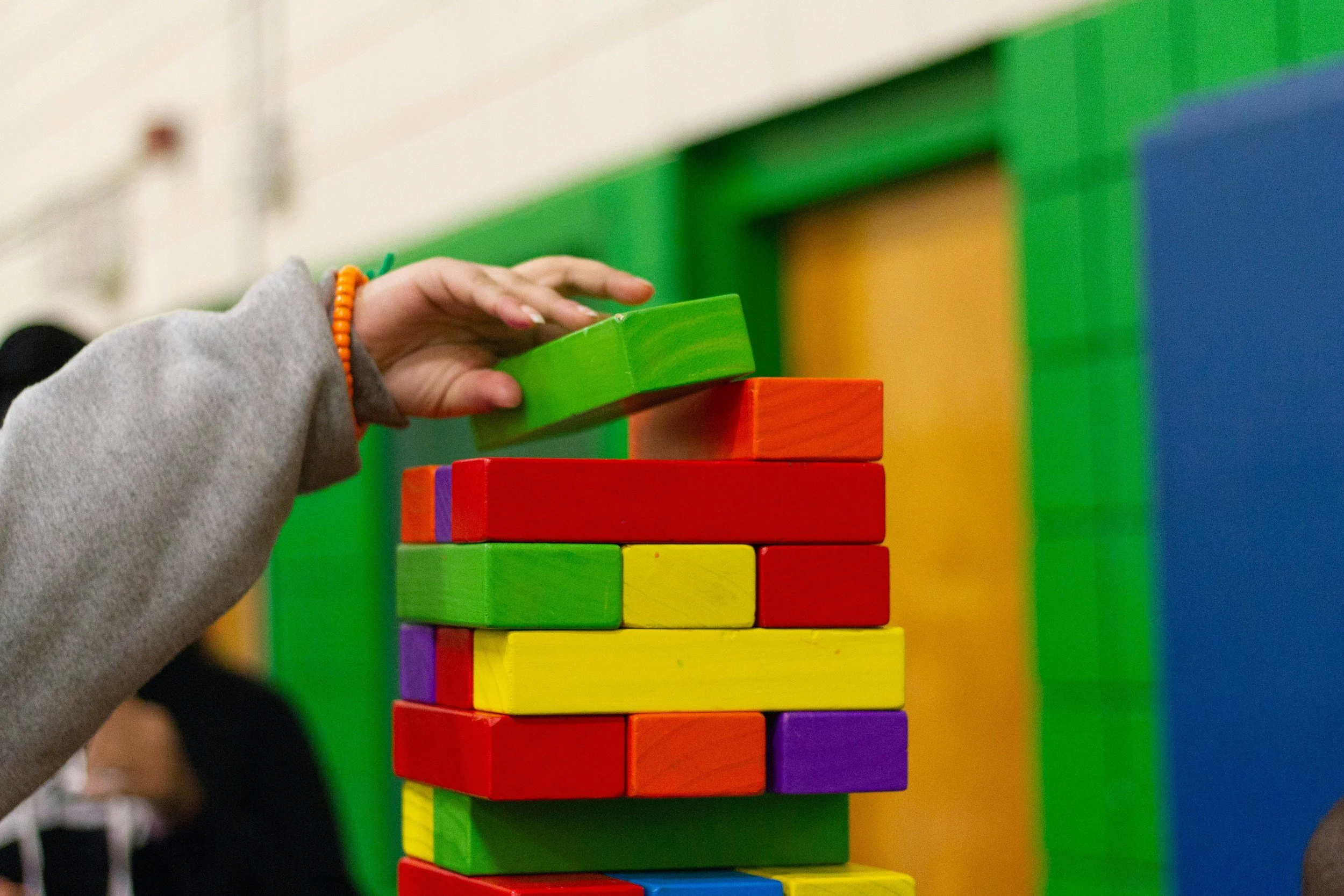
Because healing and development are layered processes.
The nervous system prioritizes what it believes is most necessary first. Sometimes regulation comes before cognition. Sometimes safety comes before social engagement. Sometimes sleep improves before focus. Sometimes emotional volatility temporarily increases because the nervous system is finally beginning to release layers of stored tension, stress, and protection that it previously did not have enough capacity to process.
This is one of the most important things parents can understand:
As the nervous system becomes safer and more organized, it often begins bringing things to the surface that were already there but previously buried beneath survival.
That does not necessarily mean the child is getting worse.
Often it means the nervous system is becoming more available for healing.
Parents may suddenly notice emotional sensitivity, fears, developmental gaps, coordination challenges, retained primitive reflex patterns, chronic tension, breathing dysfunction, sensory struggles, or stress responses becoming more visible.
Why?
Because the nervous system no longer has to spend all of its energy simply holding everything together.
When survival consumes less bandwidth, deeper layers finally become accessible.

Healing Is About Readiness, Not Doing Everything at Once
This is also why timing matters so much in healing.
One of the most common questions parents eventually ask is:
“How do we know what our child needs next?”
That is an important question because healing is rarely about doing everything at once. It is about understanding which patterns are present, which layers are emerging, and whether the nervous system currently has enough capacity to integrate additional change well.
As the nervous system becomes safer and more organized, deeper patterns often become easier to recognize clearly.
Sometimes families begin noticing retained reflex patterns more obviously. Sometimes airway challenges, oral restrictions, palate development, breathing dysfunction, motor coordination struggles, emotional regulation patterns, sensory processing difficulties, or chronic tension become more apparent.
Not because the child is suddenly developing new problems.
But because the nervous system is no longer spending all of its energy simply surviving.
This is one of the reasons healing can feel layered. As the body becomes more adaptable, it often reveals the next area that may need support.
For one child, that may involve myofunctional therapy or palate expansion to support breathing and craniofacial development. For another, it may involve emotional processing, movement-based therapies, reflex integration, nutritional support, or simply more time allowing the nervous system to continue building regulation and resilience.
The goal is not to endlessly pile on interventions.
The goal is to understand what pattern may still be limiting adaptability, regulation, connection, recovery, or development and to support the child thoughtfully and intentionally from there.
Because even beneficial therapies can become overwhelming if the nervous system does not yet have the capacity to integrate them well.
A child’s nervous system is not asking:
“Is this therapy good or bad?”
It is asking:
“Am I currently organized enough to safely grow through this?”
That distinction changes everything.
What We Are Really Trying to Build
At Purpose Driven Chiropractic, this is one of the reasons we focus so deeply on nervous system regulation and adaptability first. We understand that children do not merely need more interventions.
They need the neurological capacity to integrate life more effectively.
Healing is not avoiding stress forever. Healing is increasing the ability to experience stress without fragmentation. It is helping the nervous system become more resilient, more flexible, and more capable of recovering and adapting.
As healing unfolds, children often become more adaptable before they become symptom-free.
They recover faster after stress. They remain connected longer under pressure. They tolerate uncertainty more easily. They transition more smoothly. They become more emotionally flexible. They begin participating in life more fully.
That is healing.
Not perfection.
Not instant transformation.
Not the elimination of every challenge.
But the gradual expansion of capacity.
Because ultimately, healing is not about creating fragile comfort or avoiding all stress forever.
Healing is helping human beings become resilient enough to engage with life without chronically losing themselves in the process.
And real healing almost always happens in layers.
Because the nervous system heals in the order it believes the body can safely handle.