

Screens, Dopamine, and the Nervous System
Why Some Brains Struggle to Downshift After Devices
Many parents have noticed the same pattern.
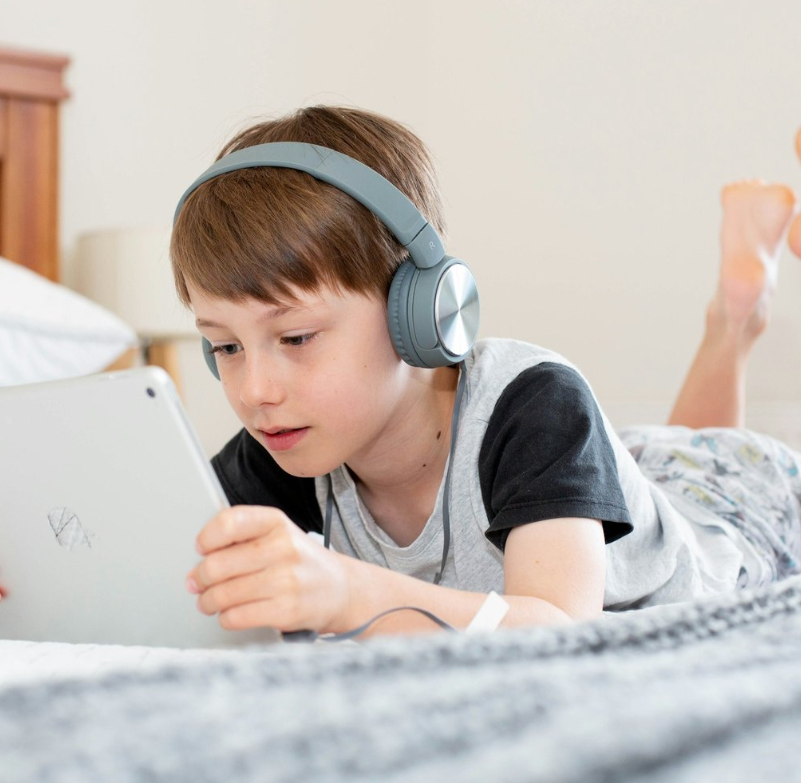
A child spends time on a tablet, phone, or gaming system. At first everything seems calm and quiet. Then the screen turns off and suddenly the house feels like a completely different place.
Emotions spike. Transitions become difficult. Sleep is harder. Simple requests trigger big reactions.
Parents often assume this is a discipline issue or a lack of self-control, but what they are actually seeing is something much deeper happening inside the nervous system.
The Brain’s Reward System
To understand why screens can have such a strong effect on some children, we have to talk about the brain’s reward chemistry, especially a neurotransmitter called dopamine.
Dopamine is often described as the brain’s motivation and reward signal. It helps us focus, learn, anticipate outcomes, and feel satisfaction when we accomplish something. In healthy amounts, dopamine helps the brain stay engaged and curious about the world.
The challenge with digital environments is that they are designed to stimulate dopamine repeatedly and quickly.
Bright colors, rapid movement, notifications, rewards, level changes, and constant novelty all activate the brain’s reward system in short bursts. The brain begins anticipating the next moment of stimulation before the previous one has even finished.
Why the Nervous System Struggles to Downshift
For a developing nervous system, this rapid stimulation can make it difficult to shift back into a calmer state when the device turns off.
This is why parents often see what feels like an emotional crash after screen time.
The brain has been operating in a highly stimulated, reward-driven mode. When the stimulation stops, the nervous system suddenly has to reorganize itself without the same level of input.
For some children, especially those who already have sensitive or stressed nervous systems, this transition is difficult.
Instead of smoothly shifting from stimulation to calm, the brain remains activated. The body stays in a heightened state of alertness. The result can look like irritability, emotional outbursts, restlessness, or difficulty settling into sleep.
This Is Not a Behavior Problem
It is important to understand that this response is not about weak willpower or poor behavior.
It is about how the nervous system regulates stimulation and recovery.
The human brain was designed to experience rhythms throughout the day. Activity and rest. Engagement and quiet. Movement and stillness.
When those rhythms stay balanced, the nervous system can move between activation and regulation more easily.
Screens compress those rhythms into a very short window of intense stimulation.
When the System Gets Overloaded
The brain receives rapid bursts of input, but it does not always get the slower recovery periods that help the nervous system reset.
Over time, this can make it harder for some children to regulate emotions, focus attention, or fall asleep at night.
What many families find surprising is that the issue is not simply the screen itself.
It is how the nervous system processes the stimulation.
Two children may have the same amount of screen time and respond very differently. One may turn the device off and move on with the day. Another may struggle to settle for hours afterward.
The difference often lies in how regulated the nervous system is to begin with.
The Bigger Picture Parents Are Seeing
When a child’s nervous system is already working hard to process sensory input, emotions, and environmental stress, the added stimulation from screens can push the system into overload.
This is one of the reasons many parents come into our office confused.
They are not just seeing screen-related behavior. They are noticing sleep challenges, emotional intensity, sensory sensitivity, or difficulty with transitions in other areas of life as well.
These patterns often point to a nervous system that is having trouble shifting out of stress mode.Supporting the Nervous System
Chiropractic care focuses on supporting the communication between the brain and body so the nervous system can regulate more effectively.
When neurological stress patterns are reduced, the brain often becomes better able to process stimulation and return to a calmer state afterward.
Families frequently report that one of the earliest changes they notice is smoother transitions.
Children settle more easily after activities. Emotional reactions recover faster. Sleep becomes more consistent.
These changes reflect a nervous system that is learning how to move between activation and regulation more efficiently.
Finding Balance in a Screen-Filled World
Screens are now a normal part of modern life.
The goal is not to eliminate them entirely. The goal is to support a nervous system that can handle stimulation without becoming stuck in it.
When the nervous system is regulated, children are better able to enjoy stimulation, learn from it, and then return to a calmer state when the activity ends.
That ability to downshift is one of the most important foundations for emotional regulation, healthy sleep, and long-term brain development.
The Real Issue
Supporting the nervous system does not mean removing every challenge from a child’s environment.
It means helping their brain and body become strong enough to navigate those challenges without becoming overwhelmed.
When that happens, the entire rhythm of the household begins to change.
Transitions become easier. Sleep deepens. Emotions settle more quickly.
And families often realize the issue was never just about the screen.
It was about the nervous system all along.
