

When Children Learn to Survive by Sacrificing Themselves
When Survival Starts Shaping Identity
This is why conversations around the nervous system often feel emotionally different than typical health conversations.
At some point, we stop talking merely about symptoms, diagnoses, techniques, or protocols. We start talking about something much deeper:
Human potential constrained by chronic survival.
Because underneath so many struggles is not simply a bad behavior, a diagnosis, or a symptom to manage. Underneath so many struggles is a nervous system trying to adapt to life.
And that changes the entire conversation.
Suddenly we are no longer only talking about health. We are talking about development, identity, resilience, emotional capacity, relationships, purpose, and what it actually means to become fully human.
What happens to a child when too much of their energy has to go toward survival?
What happens to curiosity when the nervous system is constantly bracing? What happens to connection when protection consumes too much bandwidth? What happens to creativity, emotional flexibility, confidence, joy, and presence when the body never fully feels safe enough to let go?
These are profoundly human questions.
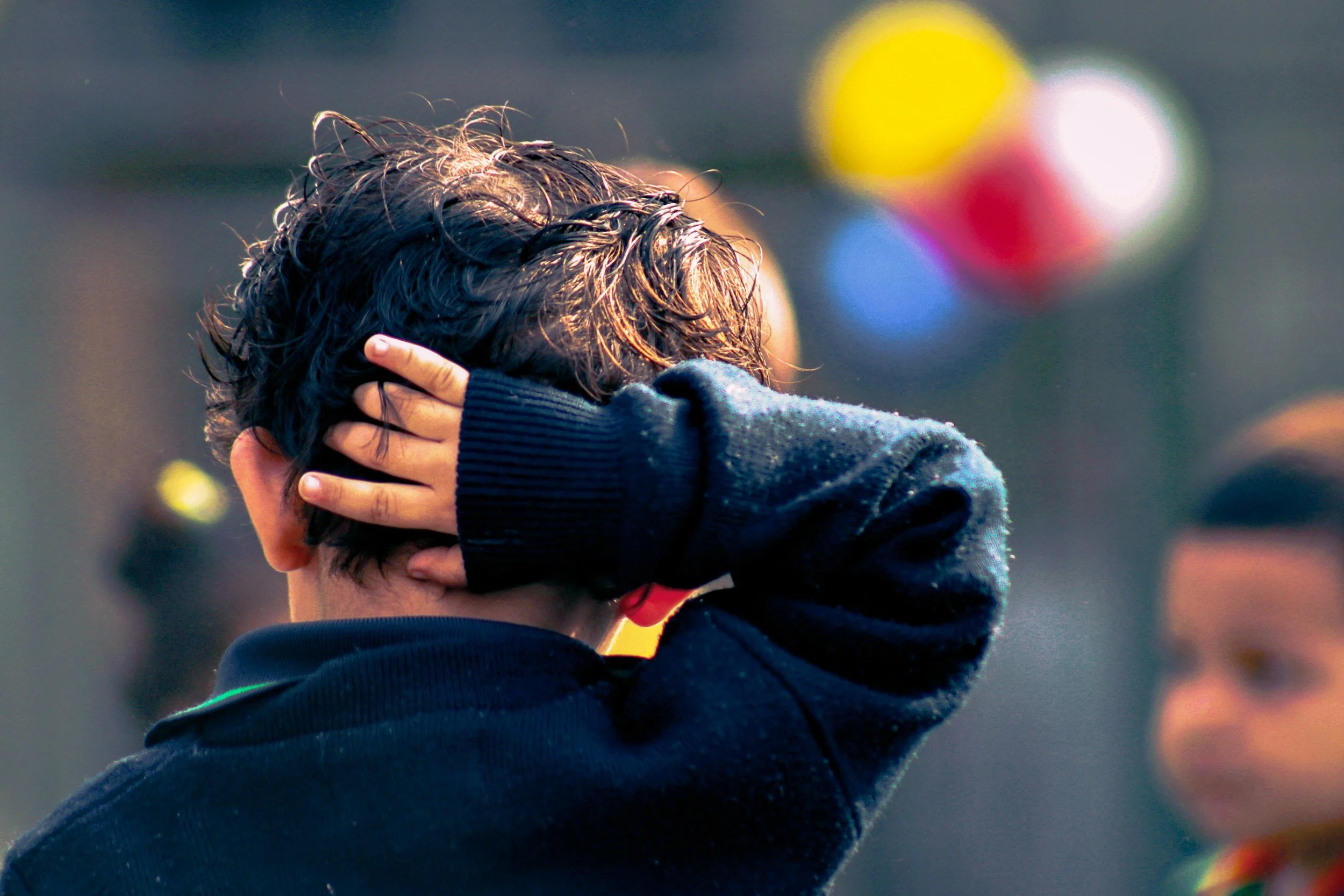
And honestly, this is why so many parents feel emotional during conversations about the nervous system even when they do not fully understand the science yet. Many parents intuitively recognize what chronic survival looks like.
They see the child who cannot settle. The child who is constantly “on.” The child who seems exhausted by ordinary life. The child who works so hard to maintain control, avoid overwhelm, or simply hold themselves together.
And beneath all of it is often a realization parents struggle to put words to:
“My child is sacrificing pieces of themselves just to cope.”
Not consciously.
Neurologically.
The nervous system is incredibly intelligent. If life feels overwhelming, unpredictable, stressful, unsafe, or too much to process, the body adapts in order to protect itself. Sometimes those adaptations are obvious: hyperactivity, emotional volatility, shutdown, sensory overwhelm, chronic tension, rigidity, exhaustion, difficulty resting, or difficulty recovering from stress.
Other times they are far less visible.
The child who appears “fine” but never fully relaxes. The teenager who achieves constantly but quietly lives under immense internal pressure. The adult who cannot slow down even when life finally becomes calm. The parent who has become so conditioned toward vigilance that rest itself feels uncomfortable.
The nervous system will always prioritize survival first.
But survival and participation are not the same thing.
Survival and Participation Are Not the Same Thing
The nervous system is not merely helping us survive life. It is helping us participate in life. It helps us connect, attach, explore, create, recover, trust, love, and become more fully ourselves. It allows us to experience enough internal safety that we can move beyond constant protection and into presence.
But when survival consumes too much bandwidth, participation begins to shrink.
Curiosity shrinks because exploration no longer feels safe. Creativity shrinks because energy is being allocated toward vigilance instead of imagination. Emotional flexibility shrinks because control feels safer than uncertainty. Joy shrinks because the body is spending so much energy surviving that very little remains for peace, playfulness, or connection.
And connection shrinks too.
This is one of the deepest griefs many parents quietly carry. At some point, parenting can slowly become more about management than relationship. There is so much correcting, redirecting, anticipating, preparing, and trying to prevent dysregulation that parents sometimes realize they are no longer simply enjoying their child. They are trying to help their child stay afloat.
What makes this especially painful is that most parents intuitively know their child is trying.
They can feel how hard life feels for them. They see the exhaustion underneath the behaviors, the tension underneath the control, and the overwhelm underneath the shutdown. Beneath many struggles is often a realization parents cannot quite explain:
“There is more in there.”
More joy.
More peace.
More flexibility.
More connection.
More personality.
More life.
And perhaps what parents are truly searching for is not perfection.
They are searching for participation.
They want their child to feel safe enough to fully engage with life instead of constantly protecting themselves from it. They want their child to experience connection instead of chronic defense. They want them to be able to recover from stress, tolerate challenge, experience relationships deeply, and actually enjoy being themselves.
Development Is the Construction of Adaptability
This is especially important in children because children are not finished developing yet. Their nervous systems are still organizing the foundational map through which they will experience stress, safety, relationships, recovery, challenge, and connection for the rest of their lives.
Children are constantly learning beneath conscious awareness:
Is the world safe?
Can I recover after stress?
Can I trust connection?
Do I need to stay vigilant?
Do I need to over-control in order to feel okay?
Can I rest deeply?
Can I tolerate challenge without falling apart?
Am I safe enough to fully be myself?
Those lessons become embodied patterns. The nervous system organizes around them. The brain wires around them. The body learns them.
Which means development is about far more than physical growth.
Development is the gradual construction of adaptability.
And adaptability may be one of the most important capacities we can build as human beings because adaptability is what allows us to experience stress without fragmentation. It allows us to remain connected under pressure, recover after hardship, regulate emotion instead of becoming consumed by it, tolerate uncertainty, and continue growing through challenge instead of collapsing beneath it.
Adaptability is what allows a person to continue becoming who they were created to become even when life is difficult.
What Healing Is Actually Trying to Restore
This is why our work at Purpose Driven Chiropractic focuses so deeply on the nervous system. We are not simply trying to suppress symptoms or create temporary comfort. We are trying to help increase the nervous system’s capacity to adapt.
Because healing is not avoiding reality.
Healing is increasing the ability to engage with reality without losing yourself in the process.
That is resilience.
A resilient nervous system can experience stress and still recover. It can experience challenge and remain connected. It can move through life with greater flexibility instead of constant protection.
As the nervous system becomes less consumed by survival, more energy becomes available for growth, regulation, creativity, connection, healing, and participation in life itself.
You often notice it slowly at first.
A child laughs more easily. Recovery becomes faster. Their body softens. They become more emotionally flexible, more curious, and more present. Adults often describe finally feeling calm in their own body for the first time in years. Parents frequently say something deeply emotional during this stage:
“I feel like I’m finally getting to know who they really are.”
Not because the person suddenly became someone new, but because survival is no longer consuming so much of who they are.
The Real Goal
Perhaps that is the deeper purpose behind healing.
Not perfection. Not the elimination of every challenge. Not creating fragile comfort.
But helping human beings build enough internal safety, resilience, adaptability, and nervous system capacity that they no longer have to chronically sacrifice themselves just to get through life.
Because true healing is not merely helping people survive life.
It is helping them participate in it.
