

The C-Section Factor: How Birth Shapes Early Regulation and Milestones
Birth Is the First Big Test of the Nervous System
Most parents think of birth in terms of medical decisions, timing, and logistics — but physiologically, birth is the very first experience that shapes how a baby’s nervous system organizes itself. It sets the tone for early regulation, digestion, breathing, bonding, sleep, and motor development.
This is why C-sections, while sometimes necessary and lifesaving, often create patterns that show up long after delivery. Not because C-sections are “bad,” but because babies who bypass the birth canal also bypass a major neurological event.
No one tells parents this part.
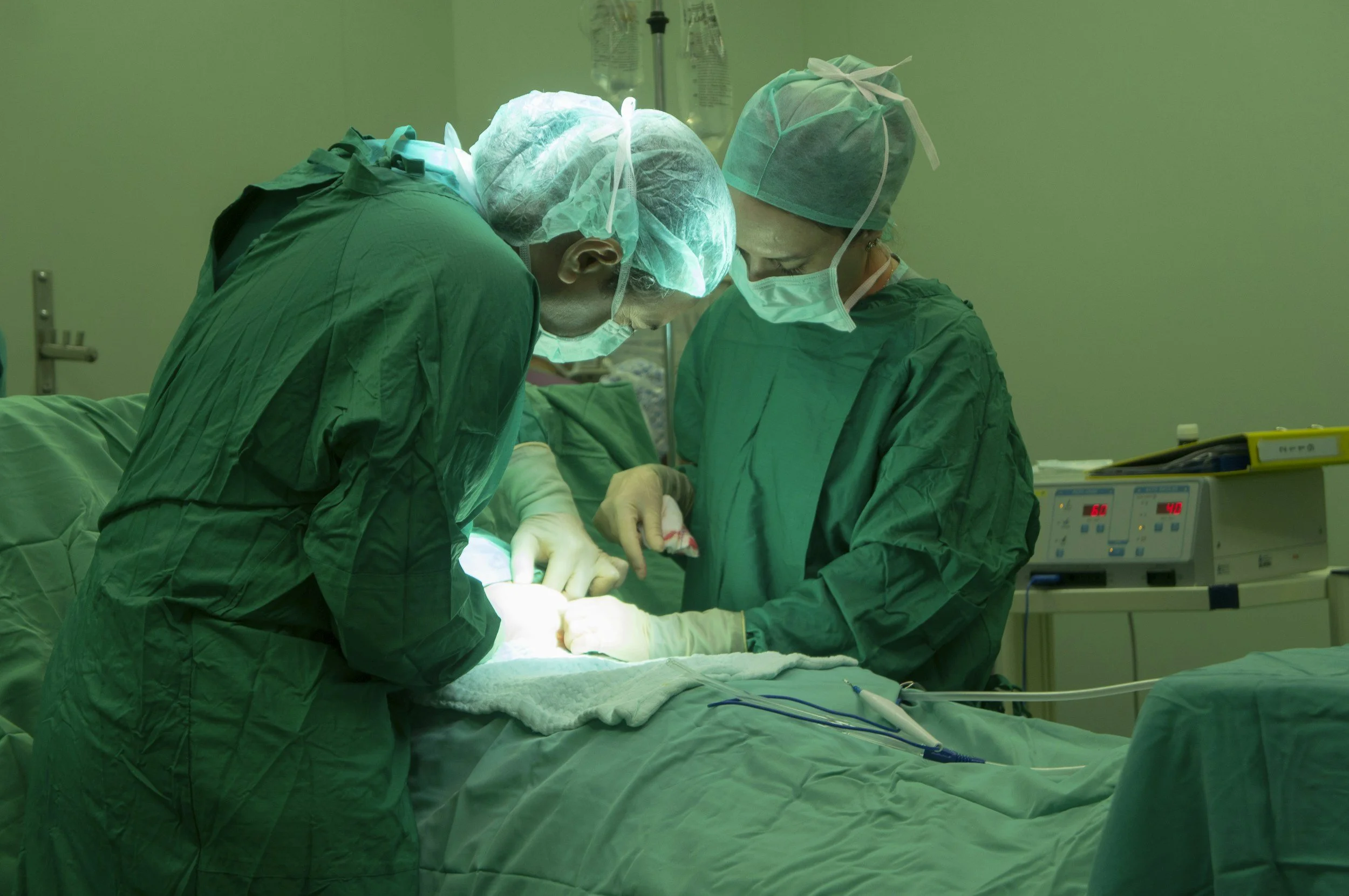
What the Baby’s Body Misses in a C-Section Delivery
A vaginal birth provides a very specific sequence of stimulation that activates the vagus nerve, regulates breathing, primes digestion, and prepares the brain for the outside world. The pressure of the birth canal, the rotation, the squeeze, the expansion, and the immediate chest-to-chest connection all send powerful signals to the developing nervous system.
A C-section changes that sequence.
It alters the baby’s sensory experience.
It changes how the neck and cranial bones adapt.
It modifies the pressure patterns the body receives.
It shifts how the vagus nerve is activated.
It influences the baby’s first state of regulation.
These differences don’t cause problems on their own.
They simply create a different starting point — one that many families never know how to support.
Why C-Section Babies Often Work Harder to Regulate
Babies born via C-section often present with subtle signs of discomfort or tension. They may struggle to settle, latch, digest, or turn their head evenly. Sleep may be light or fragmented. Their muscles may feel tighter, their breathing shallower, or their posture slightly curled.
This isn’t because anything is wrong with the baby.
It’s because the nervous system is doing what it always does — adapting to the experience it had.
Without the gradual squeeze and stretch of the birth canal, the body may hold more internal tension. Without the pressure changes that activate the vagus nerve, digestion may require more work. Without the stimulation that prepares the lungs, breathing may take more coordination. Without the rotation of the head and neck through the pelvis, cranial and cervical tension may be more noticeable.
Parents often describe their C-section baby as alert but restless, strong but unsettled, or calm until suddenly overwhelmed.
This combination is classic: a baby who looks regulated from the outside but is working hard internally to find balance.
How These Early Patterns Influence Milestones
Because regulation is the foundation for development, these early birth patterns can influence the timing and ease of early milestones. Babies may skip rolling and go straight to sitting. Crawling may be short-lived or asymmetrical. Tummy time may be difficult. Sleep may feel inconsistent. Feeding may improve one week and backslide the next.
These aren’t developmental problems.
They are developmental patterns shaped by how the nervous system handled its earliest experiences.
The body will always find a way to move forward, but sometimes it moves around tension rather than through it.
Why Some Older Kids Still Show “C-Section Patterns”
By toddlerhood or early childhood, unresolved birth tension often shows up in new ways. Parents may notice postural shifts, mouth breathing, slower settling, big emotions, difficulty with transitions, chronic congestion, or a child who fatigues easily. These kids are not “behind.” They are simply wired to work harder to stay balanced.
Teens and adults born via C-section often describe recurring neck tension, shallow breathing, sensitive digestion, sleep that never feels fully restorative, or a nervous system that stays “on” more than they’d like.
Birth imprints last, not because they cause problems, but because the body keeps compensating for the same patterns until it receives new input.
The Chiropractic Connection to Birth and Regulation
This is where neurological chiropractic care becomes deeply impactful.
Birth — especially a C-section — leaves the upper neck, cranial system, and vagal pathways more vulnerable to tension.
Insight scans often show this clearly: overactivation, imbalance, or stored stress in the exact areas responsible for regulation, digestion, and sleep.
Gentle, specific adjustments help the baby:
release stored tension
improve neck movement
breathe more efficiently
activate the vagus nerve
digest with greater ease
settle more deeply
sleep more restoratively
Parents commonly notice immediate changes: a baby who melts into their body, feeds with less strain, turns their head evenly, or finally rests in a way that feels peaceful.
For older children, chiropractic care helps reorganize long-standing patterns. Their system gains margin. Their body softens. Their emotions settle. Their milestones and learning come more naturally. Their sleep becomes more restorative. And their world becomes easier to navigate.
C-Sections Don’t Set Children Back — They Set the Story
A C-section doesn’t predict developmental challenges. It simply gives the nervous system a different starting narrative. When families understand that, they stop feeling confused or frustrated by their child’s patterns and start seeing the beautiful adaptability of the human body.
And when the nervous system is supported early, children thrive — not in spite of their birth, but through it.
If You Had a C-Section and Want Clarity on Your Child’s Development
You did everything right.
And there is always a path forward.
A neurological evaluation can show exactly where your child’s system needs support and how to help them regulate, rest, and grow with greater ease.
