

How Does a Chiropractic Adjustment Work?
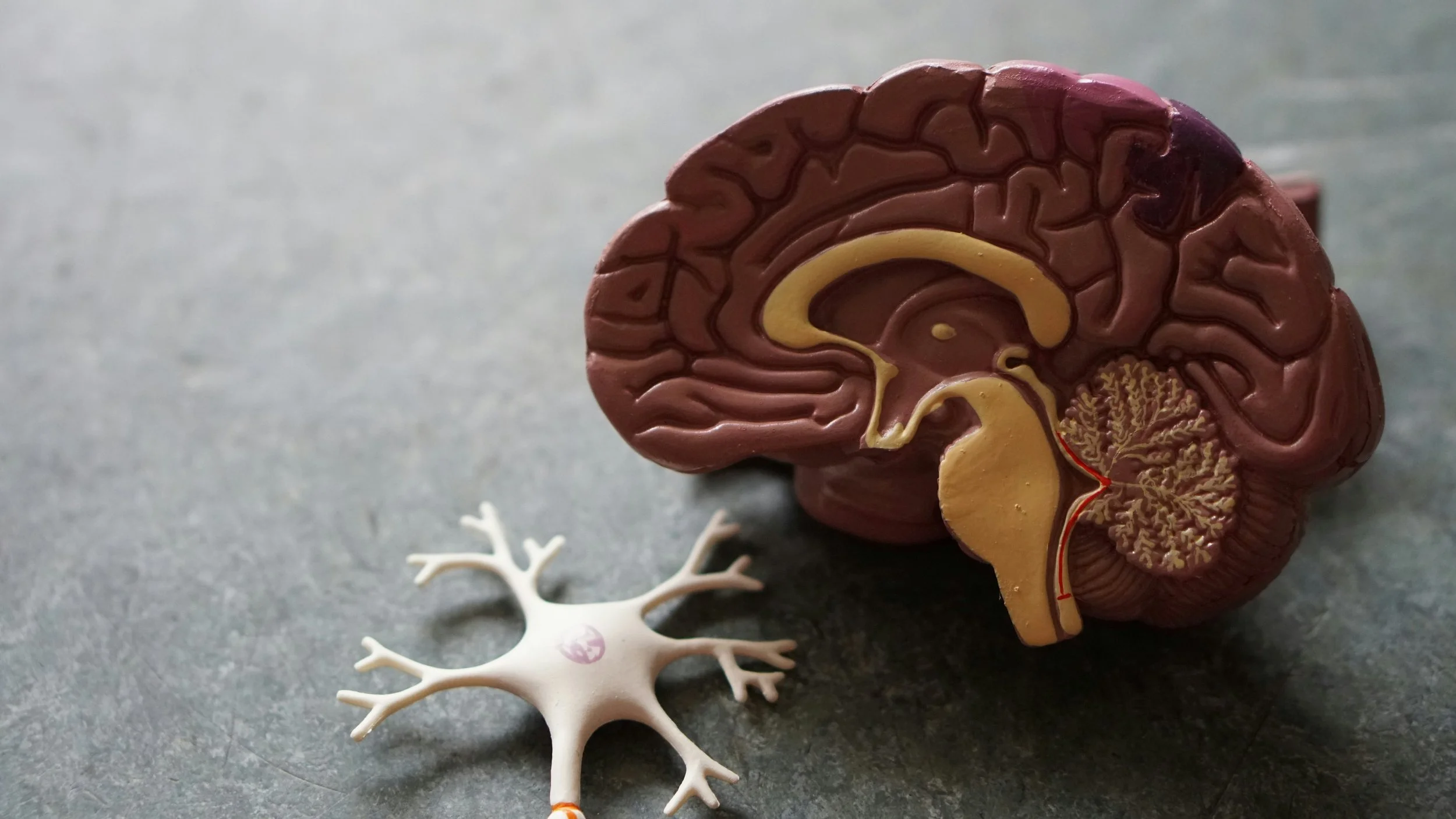
The Neuroscience Behind Healing and Nervous System Regulation
Your Body Already Knows How to Heal
Every second, your body is repairing tissues, fighting infection, balancing hormones, digesting food, regulating your heartbeat, and adapting to the world around you. These aren't things you consciously control. They are directed by your nervous system.
So when healing isn't happening as expected, perhaps the better question isn't:
"How do we make the body heal?"
It's:
"What's interfering with the body's ability to do what it was designed to do?"
Your nervous system is the master communication system of the body. Every heartbeat, every breath, every movement, every immune response, and every healing process depends on clear communication between the brain and the body.
When that communication is clear, the brain can accurately perceive what's happening throughout the body and coordinate an appropriate response.
When that communication becomes disrupted, the brain is forced to make decisions using information that is less organized and less efficient.
One of the primary ways this neurological interference can occur is through what chiropractors call a vertebral subluxation.
What Is a Vertebral Subluxation?
A vertebral subluxation is not simply a bone out of place.
It is a neurological stress pattern that creates interference in communication between the brain and the body.
Throughout life, your body is constantly adapting to the environment around you. Every physical challenge, emotional experience, and chemical stress requires your nervous system to respond.
Most of the time, these adaptations are healthy and temporary.
However, as your body adapts to repeated or overwhelming stress, it can begin developing protective patterns. Over time, these patterns can change the tone of the nervous system, influencing how efficiently the brain and body communicate.
These changes can alter muscle tone, joint motion, sensory input, and autonomic regulation, creating what chiropractors refer to as a vertebral subluxation.
A vertebral subluxation is not defined by the position of a bone.
It is defined by the effect it has on nervous system communication.
The concern isn't simply that a spinal joint isn't moving normally.
The concern is how altered movement and altered neurological tone change the information reaching the brain.
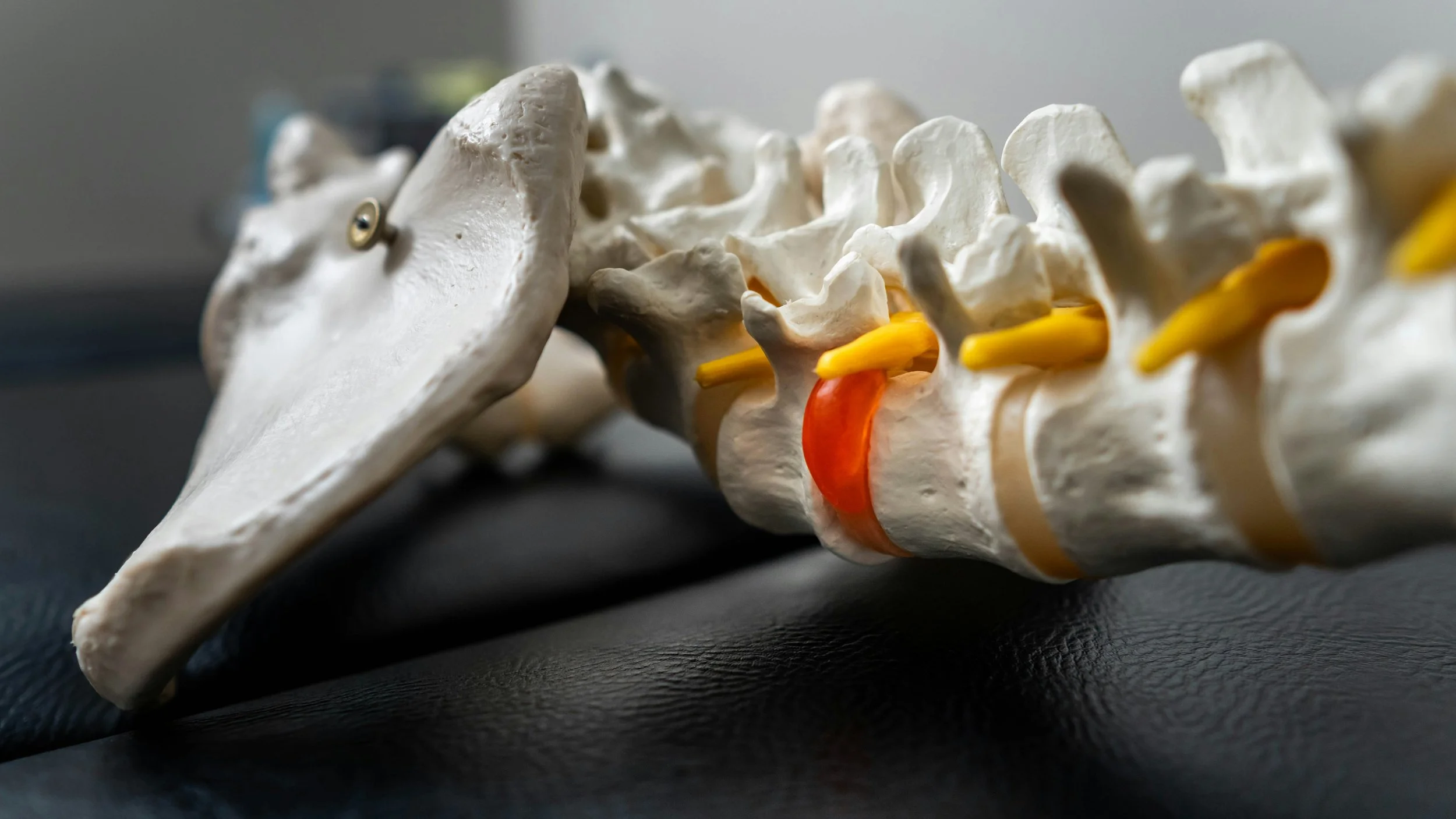
Your Brain Can Only Make Decisions Based on the Information It Receives
Every second, your brain receives millions of pieces of sensory information from your muscles, joints, organs, skin, and environment. It continuously interprets this information to regulate movement, posture, breathing, digestion, immune function, emotions, learning, and countless other functions.
When the information reaching the brain is accurate and organized, it can make more efficient decisions.
A chiropractic adjustment is designed to improve the quality of that neurological information.
How Does a Chiropractic Adjustment Work?
1. Mechanical Input
A precise chiropractic adjustment introduces a gentle, controlled movement into a spinal joint. This specific movement creates a mechanical stimulus designed to restore motion and provide the nervous system with new sensory information.
2. Mechanoreceptor Activation
The movement stimulates thousands of specialized mechanoreceptors located within the joint capsule, ligaments, muscles, and surrounding connective tissues. These receptors detect movement and position, immediately sending new sensory information to the brain.
3. Brainstem Processing
This sensory information travels rapidly through the spinal cord to the brainstem, the nervous system's first major processing center.
Rather than simply passing information along, the brainstem acts as the body's first filter, organizing and prioritizing incoming information before communicating with:
The cerebellum, which coordinates movement, timing, and balance.
The thalamus, the brain's primary sensory relay station.
The cerebral cortex, responsible for higher-level interpretation, planning, awareness, and decision-making.
Autonomic centers, which help regulate heart rate, breathing, digestion, immune function, and the balance between the sympathetic and parasympathetic nervous systems.
4. Cortical Integration
The brain combines this updated sensory information with everything it already knows about your body and environment. This process, known as sensorimotor integration, helps refine posture, movement, balance, coordination, and neurological regulation.
Rather than forcing the body to function differently, the adjustment provides the brain with better information so it can make better decisions.
5. Improved Neurological Regulation
As communication becomes more organized, the nervous system becomes more efficient at regulating itself.
Instead of simply reacting to stress, the brain is better equipped to regulate, recover, and adapt.

Why Does This Matter?
As neurological communication improves, the brain is better able to organize and regulate the body. Because the nervous system develops from the foundation upward, improvements often follow a similar pattern.
Autonomic Nervous System
The Foundation
Supports:
Adaptability to stress
Heart Rate Variability (HRV)
Sleep quality
Digestion
Immune regulation
Healing and recovery
Neuro-Motor System
Supports:
Posture
Balance
Coordination
Movement
Motor control
Muscle efficiency
Gut & Immune System
Supports:
Digestion
Absorption
Elimination
Healthy immune function
Nutrient utilization
Brain-Based Function
Supports:
Focus and attention
Emotional regulation
Executive function
Memory and learning
Behavior
Speech and communication
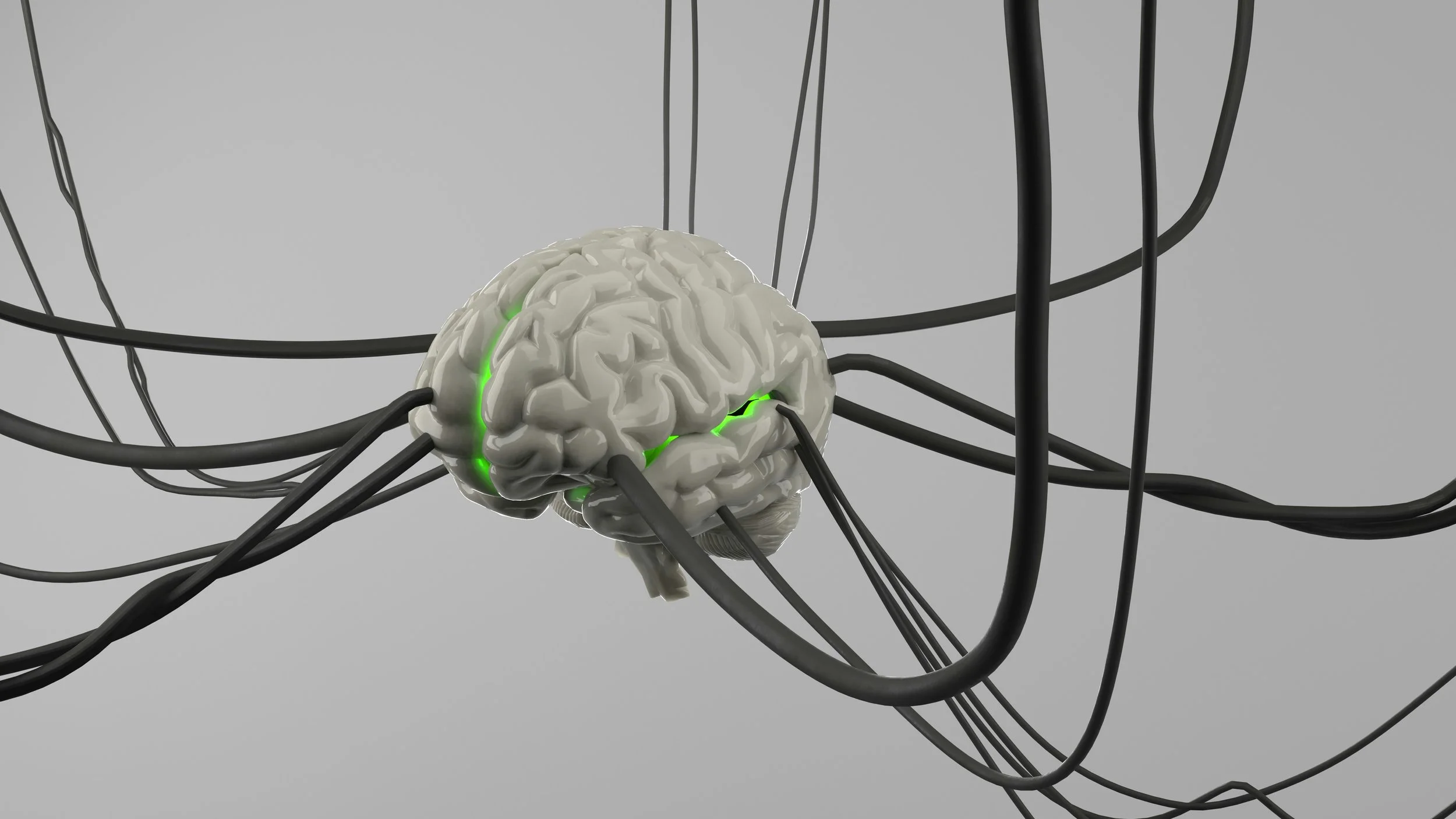
Why Repetition Matters
One Adjustment
Provides the brain with new sensory information, creating an opportunity to improve how it processes and responds to the body.
Repeated Adjustments
Provide the brain with consistent neurological input, reinforcing healthier communication patterns through repetition.
Neuroplasticity
The brain strengthens and reorganizes these healthier patterns over time. This remarkable ability to learn and adapt is called neuroplasticity.
Lasting Change
As healthier neurological pathways become more efficient and automatic, the nervous system becomes more adaptable, more resilient, and better equipped to regulate the body over the long term.
The brain doesn't change because of one experience. It changes because of repeated, meaningful experiences.
The Goal Isn't an Adjustment
The adjustment is not the destination.
It is the stimulus.
The goal is a nervous system that communicates more efficiently, regulates more effectively, and adapts more successfully to the demands of everyday life.
When the brain receives better information, it is better equipped to coordinate the incredible processes it was designed to perform.
At Purpose Driven Chiropractic, our mission isn't simply to help people feel better. Our mission is to help individuals and families build a nervous system that is more adaptable, more resilient, and better prepared to reach their God-given potential.
Ready to Learn More?
Curious how your nervous system is functioning?
At Purpose Driven Chiropractic, we use three objective neurological scans to evaluate how well your brain and body are communicating. These scans help us look beyond symptoms and better understand your nervous system's ability to regulate, recover, and adapt.
Schedule your Neurological Insight Scan today and discover how your nervous system is functioning.
References
Pickar JG. Neurophysiological effects of spinal manipulation. The Spine Journal. 2002;2(5):357-371.
Haavik H, Murphy B. The role of spinal manipulation in addressing disordered sensorimotor integration and altered motor control. Journal of Electromyography and Kinesiology. 2012;22(5):768-776.
Henderson CN. The basis for spinal manipulation: Chiropractic perspective of indications and theory. Journal of Electromyography and Kinesiology. 2012;22(5):632-642.
Haavik H. The Reality Check: A Quest to Understand Chiropractic from the Inside Out. Haavik Research; 2021.
Haavik H, Holt K, Niazi IK, Murphy B. The impact of chiropractic care on brain function and neuroplasticity: A narrative review. Brain Sciences. 2024.
