

When Your Child Is Always Fighting Something

Understanding How the Immune System Influences Growth, Learning, and Development
Every parent expects their child to catch the occasional cold. Childhood is filled with new experiences, new environments, and countless opportunities for the immune system to learn. But for some families, it feels like their child spends more time recovering than thriving.
When that happens, it is natural to focus on the next illness and finding the next solution that might finally break the cycle. We want our children to feel better, so our attention naturally goes toward whatever is happening right now.
But what if recurring illness is only one part of a much bigger story?
Modern science has dramatically changed our understanding of the immune system. We now know it isn’t simply a collection of cells that fights germs. It is a dynamic system that learns, remembers, communicates, and constantly adjusts to the world around it. Even more fascinating, it doesn’t work alone. The immune system is deeply connected to the nervous system, digestive system, endocrine system, and virtually every major process involved in helping your child grow and develop.
Understanding those connections changes the questions we ask. Instead of asking only, “How do we stop the next illness?” we can begin asking, “Why is my child’s body struggling to recover and find balance in the first place?”
That’s what we’re going to explore. How does the immune system learn? What allows it to recognize a genuine threat without overreacting to something harmless? What happens when the demands of life begin exceeding a child’s ability to recover? And perhaps most importantly, what can we do to create better conditions for healing, resilience, and development?
Because when you understand how your child’s immune system was designed to work, you begin seeing health through an entirely different lens.
The Goal Was Never to Avoid Every Germ
One of the biggest misconceptions about the immune system is that its primary job is to protect us from germs. While protection is certainly part of its responsibility, it’s only one piece of a much larger picture. The immune system is constantly gathering information, making decisions, communicating with other systems throughout the body, and learning from every experience it encounters.
From the moment a baby enters the world, the immune system begins its education. Every new environment, every cold, every microbe, every new food, and every interaction with the world becomes another opportunity to learn. Over time, it develops the remarkable ability to recognize patterns. It learns what belongs, what doesn’t, what deserves attention, and what can safely be ignored.
That last point is incredibly important. We often assume that a healthy immune system is one that responds aggressively, but that isn’t necessarily how health works. A healthy immune system needs to respond appropriately. Sometimes that means mounting an effective defense against a harmful microbe. Other times it means recognizing something as harmless and leaving it alone.
The goal isn’t to eliminate every challenge from childhood. The goal is to develop a body that can encounter challenges, learn from them, recover from them, and become increasingly resilient over time.
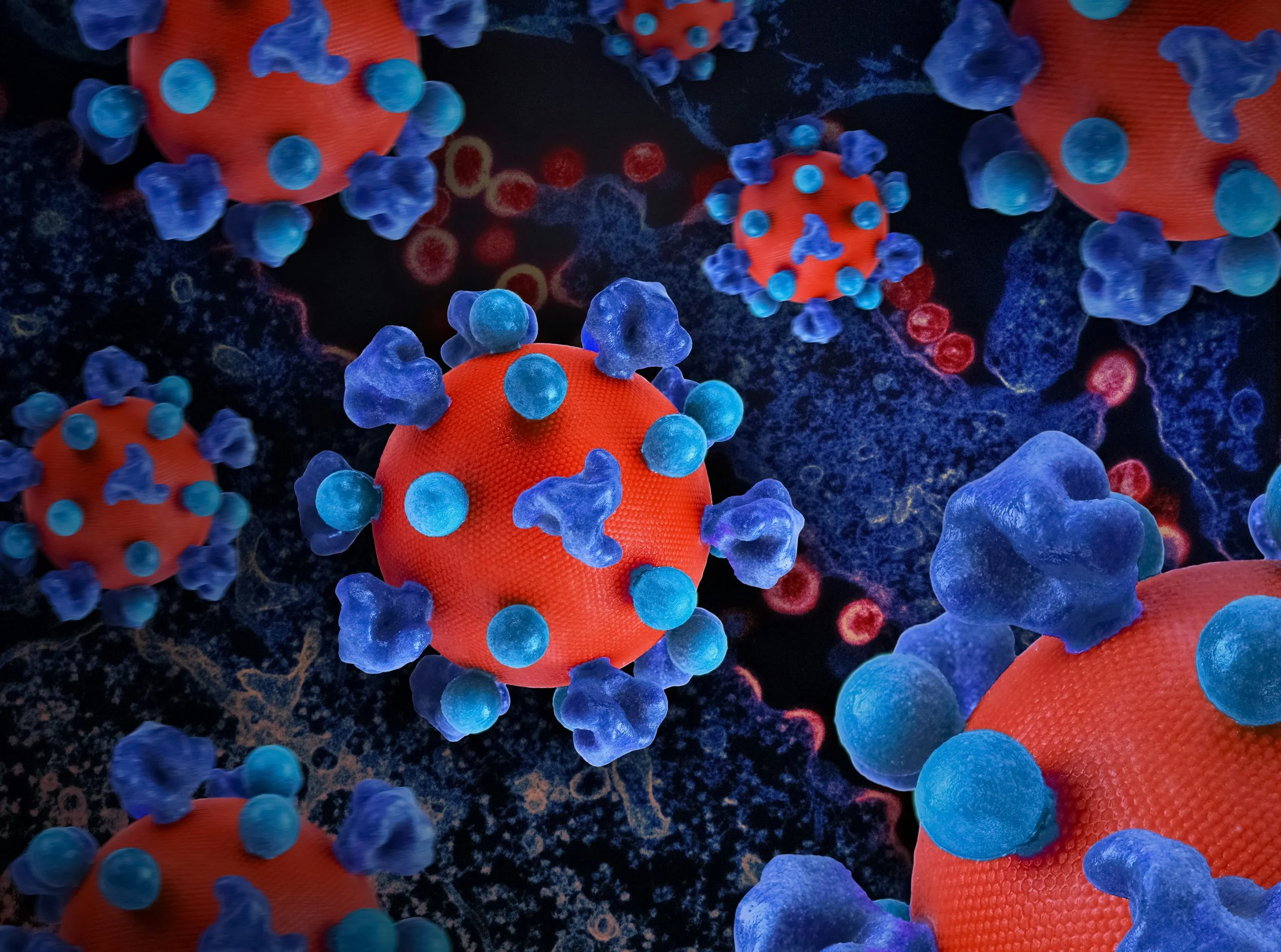
A Healthy Immune System Knows the Difference
Imagine the smoke detector in your home. If a real fire breaks out, you want it to sound immediately. But if that same smoke detector goes off every time you make toast or steam drifts out of the shower, the problem isn’t that the alarm isn’t strong enough. It has become poor at distinguishing between a genuine threat and something harmless.
The immune system gives us a biological version of this concept. Grass pollen isn’t an infection, yet someone with seasonal allergies can mount an immune response to pollen proteins as though they require attention. The runny nose, sneezing, itching, and inflammation aren’t evidence that the immune system isn’t doing anything. Quite the opposite. The immune system is responding vigorously to something that ordinarily shouldn’t require that level of response.
This is an important shift in how we think about immunity. We don’t simply want more immune activity. We want accurate recognition, an appropriate response, and the ability to settle again when the response is no longer needed.
And that ability is learned.
The immune system develops memory from previous encounters. Specialized immune cells can recognize things the body has encountered before, allowing future responses to be faster and more efficient. During pregnancy, maternal IgG antibodies even cross the placenta, providing a baby with temporary passive protection while their own developing immune system continues maturing.
Immune development, therefore, isn’t about creating a child who never encounters anything difficult. It is an ongoing process of exposure, recognition, response, memory, tolerance, and recovery.
Learning Requires Recovery
Recovery may be one of the most overlooked parts of immune health.
When the body encounters a microbial threat, the immune system has work to do. It must recognize what is happening, recruit the appropriate defenses, communicate between cells, manage inflammation, clear the infection when possible, repair affected tissues, and preserve useful immune memory.
Then something equally important needs to happen: the response needs to resolve.
The body cannot remain in a heightened defensive state indefinitely without consequences. Resources that were temporarily directed toward immune defense need to become available again for all of the other work a child’s body is trying to accomplish.
This is why health isn’t simply the ability to mount a response. It is the ability to respond and recover.
That same principle exists throughout physiology. A heart that can speed up during activity must also be able to slow down afterward. Muscles need both contraction and relaxation. The nervous system needs the ability to mobilize when a challenge requires action and then transition toward restoration when the challenge has passed.
Healthy systems are flexible.
The immune system is no different.

Your Child Has a Physiological Budget
One of the most helpful ways to understand this is to think about your child’s physiological budget.
Every day, your child’s body has an extraordinary amount of work to accomplish. It is building bones and muscle, developing the brain, learning language, regulating hormones, digesting food, repairing tissues, coordinating movement, processing emotions, building social skills, learning at school, recovering from physical activity, and maintaining immune defenses.
All of those processes require resources.
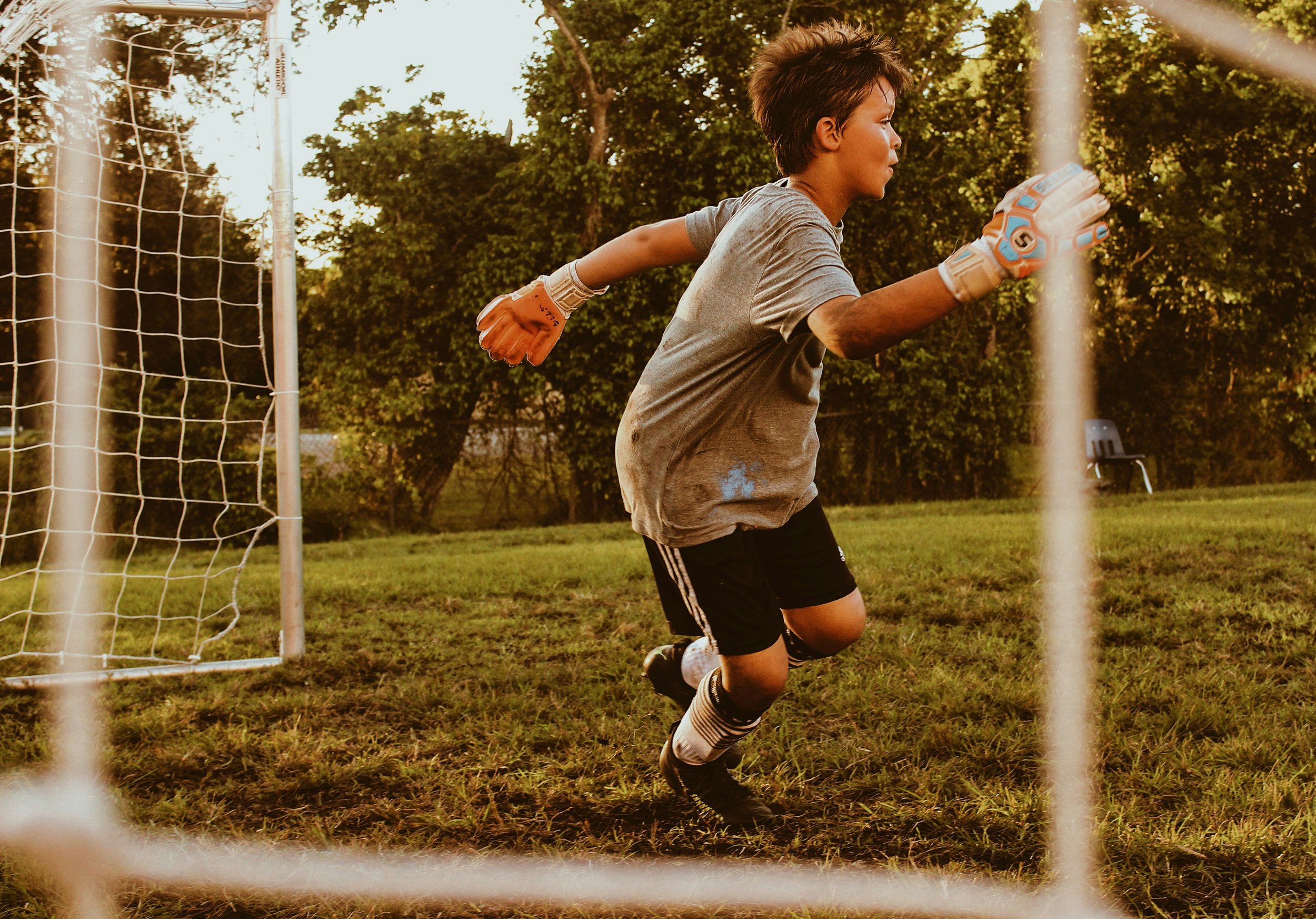
At the same time, childhood itself places tremendous demands on those resources. A growing child may be learning new material at school, playing soccer several nights a week, navigating friendships, going through a growth spurt, sleeping less than they should, experiencing emotional stress, and encountering new microbes—all at the same time.
None of those things are necessarily bad. Many are healthy and necessary parts of development. The body was designed to handle stress.
The more important issue is whether recovery keeps pace with demand.
Think about your own life. One poor night of sleep usually isn’t catastrophic. One difficult week at work doesn’t necessarily overwhelm you. A hard workout can actually make you stronger. But when poor sleep, emotional stress, physical demands, inadequate nutrition, illness, and a busy schedule begin stacking on top of one another, you notice the difference. Your patience changes. Your energy changes. Your ability to concentrate changes. Even your ability to recover from the next challenge may change.
Children are adapting to the same fundamental physiology while simultaneously trying to grow and develop.
When too much of that physiological budget is continually being spent on managing stress and recovery, there may simply be less reserve available for everything else the body is trying to accomplish.
That is why the bigger question isn’t simply, “Is my child sick?”
It is, “How well is my child’s body handling everything being asked of it?”
The Immune System Is Always Learning
This brings us back to one of the most remarkable characteristics of immunity: the immune system isn’t static. It learns from experience.
Each encounter provides information. Some microbes need to be attacked quickly. Some microorganisms are harmless or even beneficial. Foods need to be tolerated. Environmental substances usually need to be ignored. Previous infections may need to be remembered so that the body can respond more efficiently when they appear again.
This learning is influenced by much more than exposure alone. Nutrition provides the raw materials immune cells need. Sleep influences immune signaling and memory. The gut microbiome interacts extensively with immune development. Physical activity influences inflammatory and metabolic signaling. Emotional and physiological stress influence hormones and nervous-system activity that, in turn, interact with immune function.
This means parents don’t have to choose between thinking about “the immune system” or “the rest of the child.” There really isn’t a clean separation.
The immune system is part of the child.
And that brings us to one of the most exciting areas of modern science.
The Neuro-Immune Connection
For years, the nervous system and immune system were often taught as separate chapters in biology. The nervous system handled communication and movement; the immune system fought infection.
We now know the relationship is far more integrated.
The field of neuroimmunology studies the extensive two-way communication between the nervous system and immune system. Immune cells can respond to signals originating from the nervous system, while immune signaling communicates information back to the brain. The autonomic nervous system, endocrine system, inflammatory pathways, brain, gut, and immune system participate in an ongoing conversation about what is happening inside and outside the body.
Think about what happens when you become sick. You don’t experience an immune response only at the site of infection. Your appetite may change. You become tired. Your motivation decreases. You want to rest. Your temperature may rise. Sleep changes. Those aren’t unrelated events. They reflect coordinated communication between immune activity and the brain.
The communication also travels in the other direction. Psychological stress can influence immune function. Sleep can influence immune responses. Autonomic signaling can influence inflammatory processes. The brain is not sitting on the sidelines while the immune system works.
This is why looking at a child’s neurological health alongside immune health can be so valuable. We aren’t dealing with two independent systems. We’re looking at interconnected systems constantly exchanging information and adjusting to the demands of life.
Adaptability Is the Bigger Picture
This brings us to a word we use frequently in our office: adaptability.
Adaptability means the body can recognize a change, produce an appropriate response, and then change again when the situation changes.
If your child runs across a soccer field, their heart rate should increase. When they sit on the bench afterward, it should come back down. When they encounter a meaningful stressor, the nervous system should mobilize resources. When the situation is over, the body should be capable of shifting toward recovery.
Immune function follows the same larger principle. Encountering a microbe isn’t necessarily evidence of poor health, and mounting an immune response isn’t necessarily something we should fear. What matters is whether the body can respond effectively, learn from the experience, resolve the challenge, and regain its resources afterward.
That is a very different goal from simply trying to prevent every symptom.
It also gives parents a much more hopeful question to ask: What can I do to increase my child’s capacity to adapt and recover?
Supporting the Immune System Instead of Chasing It
There is no single food, supplement, medication, adjustment, or “immune booster” that creates a resilient child. The immune system is too sophisticated and too interconnected for that.
Instead, parents can focus on creating an environment that supports the body’s natural ability to learn and recover. Consistent, adequate sleep matters. Nutrient-dense foods matter. A diverse diet that supports the gut microbiome matters. Regular movement and outdoor play matter. Adequate recovery from sports and busy schedules matters. Emotional connection and co-regulation within the family matter. So does recognizing when a child is carrying more physical, emotional, or physiological stress than their current capacity can comfortably manage.
This perspective can also change how we approach symptoms. A fever, cough, mucus production, vomiting, or diarrhea can sometimes be part of the body’s response to infection rather than simply an inconvenience to eliminate. That does not mean symptoms should always be left untreated or that medications are inherently harmful. Some symptoms require treatment, and some illnesses require prompt medical care. But it is reasonable for parents to understand what a symptom is doing, what an intervention is intended to accomplish, and when treatment is medically necessary rather than assuming that every immune response needs to be suppressed as quickly as possible.
Antibiotics provide another good example. When a child has a bacterial infection for which antibiotics are indicated, they can be extraordinarily important. But antibiotics do not treat viruses, and antibiotic exposure can alter the gut microbiome. Because the microbiome participates in immune development and regulation, thoughtful antibiotic stewardship is part of supporting long-term health.
The same principle applies more broadly: don’t be afraid of the body’s normal physiology, but don’t romanticize illness either. The goal isn’t to “let the body fight” at all costs. The goal is to understand what the body is doing, support it appropriately, recognize when help is needed, and preserve the conditions that allow recovery to occur.

Where Chiropractic Fits Into the Neuro-Immune Conversation
This is also where neurologically focused chiropractic fits into the larger conversation.
Chiropractic care doesn’t treat infections, allergies, or immune diseases, and an adjustment isn’t an immune-system medication. Our focus is the nervous system and the quality of communication between the brain and body.
The nervous system is constantly receiving sensory information from throughout the body, interpreting that information, and coordinating appropriate responses. Because nervous-system regulation interacts with immune, endocrine, cardiovascular, digestive, and other physiological systems, we care deeply about how efficiently a child’s nervous system is adapting to stress.
At Purpose Driven Chiropractic, we don’t rely solely on how a child feels to understand that picture. We use neurological scans to evaluate different aspects of nervous-system function. Heart rate variability gives us information about autonomic regulation and adaptability. Thermal scanning measures patterns of autonomic regulation along the spine, while surface EMG evaluates patterns of neurological activity associated with the muscles supporting the spine.
These measurements aren’t diagnostic tests for immune disease. They help us answer a different question: How is this child’s nervous system handling the demands being placed upon it?
That distinction matters.
Our goal isn’t to “boost” your child’s immune system. An immune system that is already overreacting doesn’t need indiscriminate boosting. Our goal is to identify neurological stress patterns, reduce interference where appropriate, and support the nervous system’s ability to communicate and regulate more effectively.
That is why care is typically delivered as a plan rather than as a single adjustment. Neurological patterns develop through repetition, and lasting neurological change depends on neuroplasticity—the nervous system’s ability to learn and reorganize through repeated input over time. We measure that process, reassess it, and adjust the care plan based on how the child is responding.
The Goal Is Bigger Than Fewer Sick Days
If your child has struggled with recurring illness, allergies, poor recovery, or simply seems to have less reserve than other children, it is understandable to want the problem to disappear.
But there may be a more useful goal than simply having fewer sick days.
We want a child whose immune system can learn from the world without becoming unnecessarily alarmed by it. We want a nervous system capable of recognizing stress, responding when necessary, and returning toward recovery when the challenge has passed. We want enough physiological reserve left over for growth, language, movement, emotional regulation, learning, relationships, play, and all the other things childhood is supposed to contain.
In other words, we’re not trying to remove every challenge from your child’s life.
We’re trying to increase their capacity to meet it.
That starts by looking at the whole child rather than one isolated symptom. How are they sleeping? How are they eating? How much recovery exists in their schedule? How are they handling emotional stress? Are they moving and playing? Is their digestive system functioning well? What does their nervous system tell us about their ability to regulate and adapt?
Those questions move us away from chasing one symptom after another and toward something much more meaningful: creating the conditions in which the body can do more of what it was designed to do.
Your child’s body is designed to learn. It is designed to heal. It is designed to adapt. And when we support those processes rather than focusing exclusively on eliminating the next symptom, we give that child something far more valuable than a stronger immune system.
We help them build resilience.
Ready to Look Deeper?
If your child seems to spend more time fighting, recovering, or simply trying to keep up than you believe they should, a neurological scan can give us another piece of the picture.
At Purpose Driven Chiropractic, we use HRV, thermal scanning, and surface EMG to evaluate how the nervous system is regulating and adapting to the demands placed upon it. From there, we can help you understand what we’re seeing and whether neurologically focused chiropractic care may be an appropriate part of supporting your child’s overall health.
The goal isn’t to chase every symptom. It’s to help your child build the capacity to adapt, recover, grow, and pursue their God-given potential.
