


Why Some Athletes Perform Better and Stay in the Game Longer
Two athletes can train the same way yet perform very differently. The difference often lies in the nervous system. Learn how neurological chiropractic care supports speed, coordination, recovery, and long-term athletic performance.

Why Crawling Matters More Than Most People Realize
Crawling isn’t just about movement. It shapes how the brain communicates, how the spine develops, and how children regulate their bodies. Discover why crawling is a critical neurological foundation and how families can support development even if crawling was missed.

Puberty, Hormones, and Nervous System Stress
Parents often hear that emotional changes during adolescence are “just hormones.” In reality, puberty is a massive neurological shift that affects how the brain regulates sleep, emotions, and stress. Discover how the nervous system influences this transition and why supporting regulation can make adolescence more manageable for the whole family.
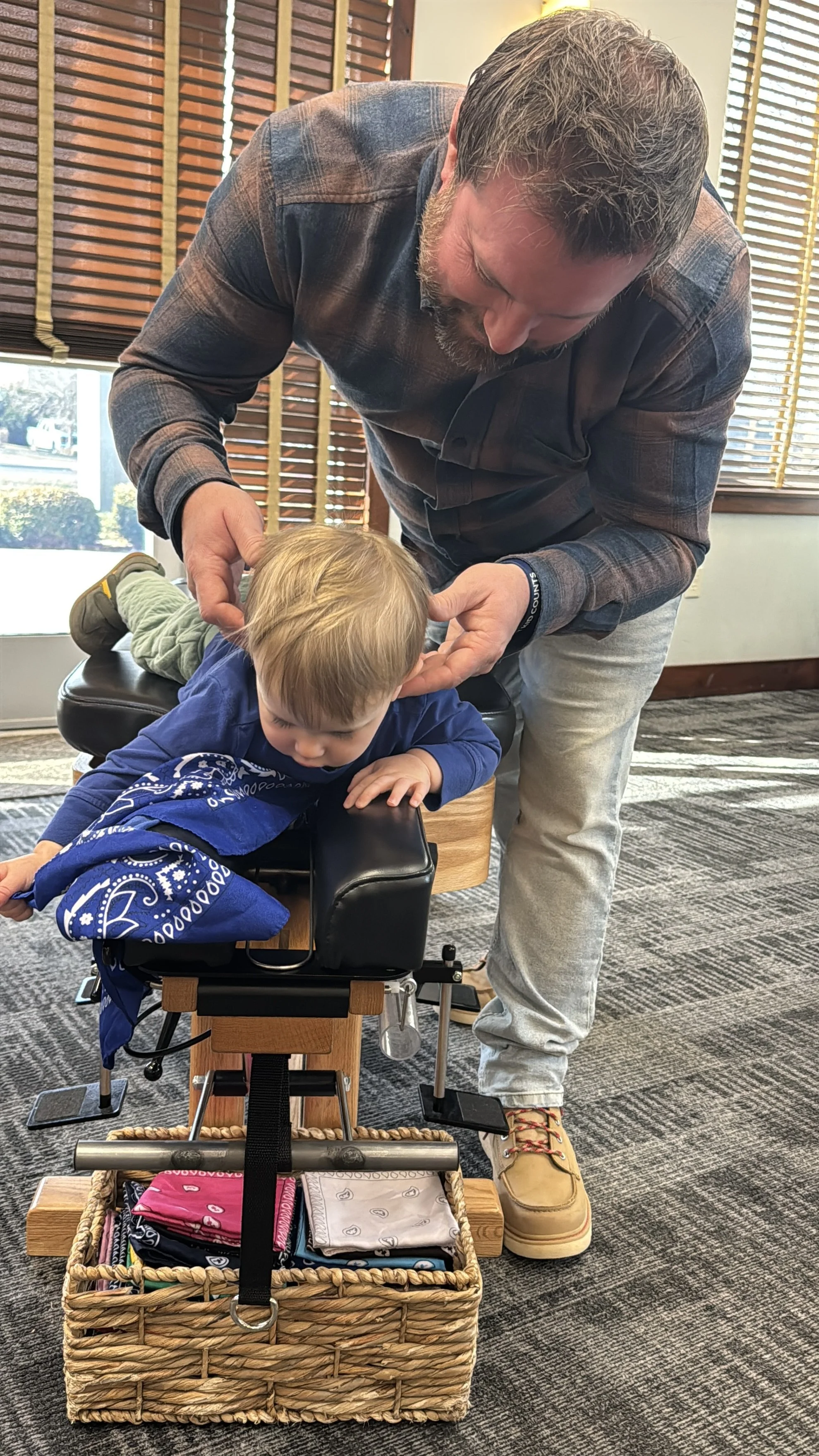
Constipation, Tummy Aches & Tantrums: Why the Gut Shapes Mood and Regulation
Constipation and tummy aches often trigger emotional overwhelm because the gut communicates directly with the brain. This article explains how internal stress affects behavior and regulation, how our scans measure gut–brain tension, and how chiropractic helps the body reconnect and heal.
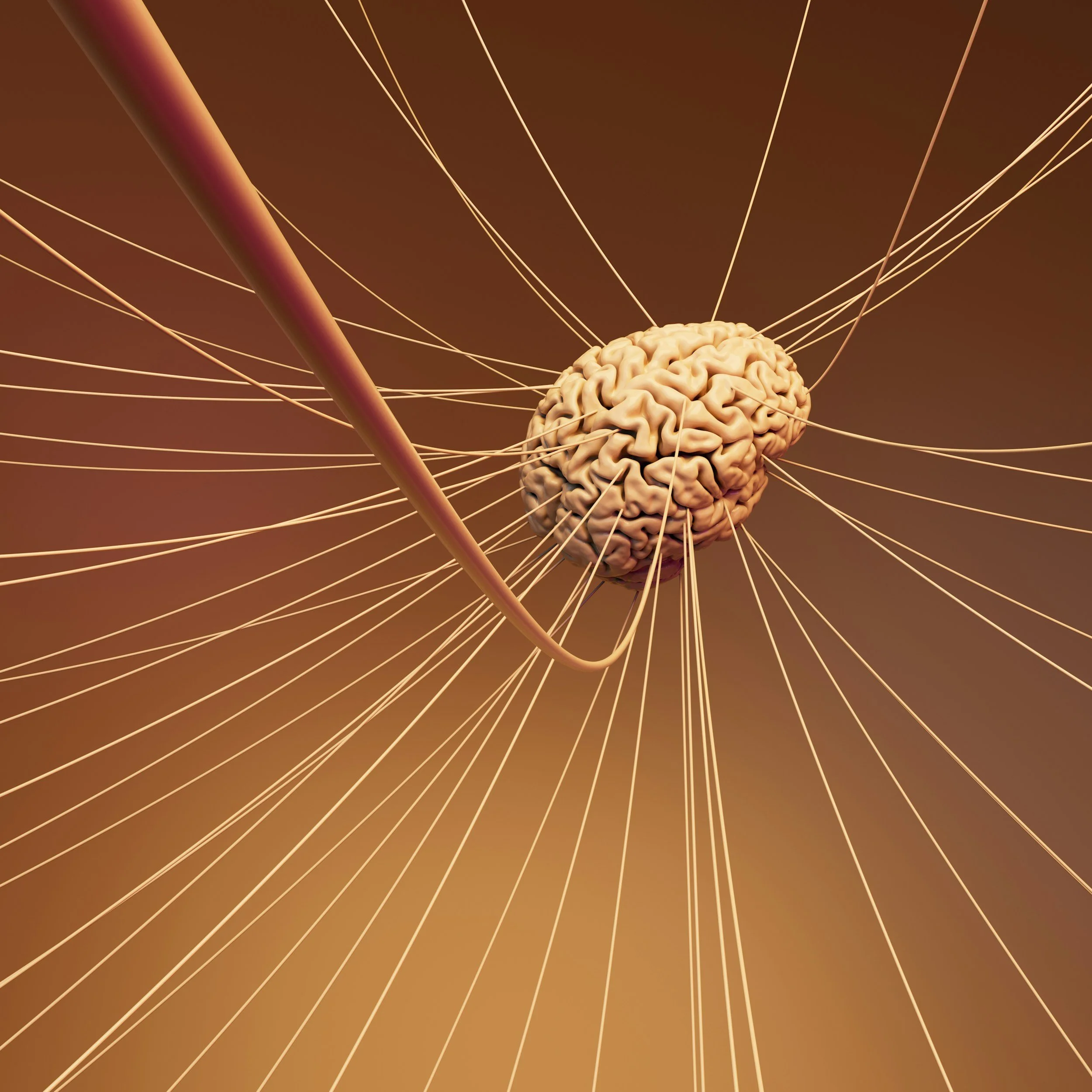
How and Why the Body Heals Itself
Healing isn’t something that comes from the outside. It is built into the design of your nervous system. Learn how stress interferes, how chiropractic restores connection, and why people of all ages heal when their nervous system is finally able to do what it was created to do.

The Chiropractic Story You Were Never Told
Chiropractic didn’t grow quietly. It survived arrests, opposition from the AMA, pandemics, and decades of misinformation. Learn the real story behind the profession’s origins and why every adjustment today continues a legacy built on courage and truth.
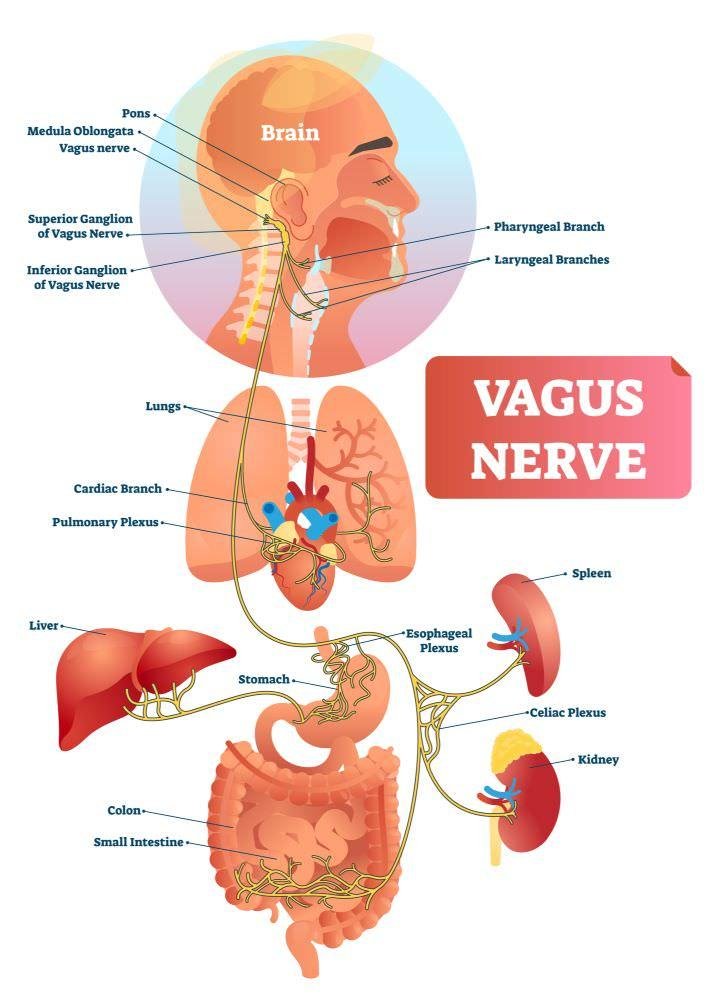
The Vagus Nerve: The Body’s Calm Pathway You Can Strengthen Naturally
When calm feels impossible, the vagus nerve is usually overwhelmed. This article explains where the vagus nerve lives, how it develops, why tone matters, how modern stress affects it, and how HRV scans and neurological chiropractic care restore the body’s ability to settle, digest, sleep, and regulate.

Why Your Brain Struggles With Change — And How Regulation Makes New Habits Possible
Meltdowns feel sudden, but they’re not. They happen when the brain shifts out of regulation and into overwhelm. This article explains what’s really happening in the moments before a meltdown, why logic doesn’t work in the moment, and how supporting the nervous system helps children stay calmer, more flexible, and more connected.

What Happens in the Brain Right Before a Meltdown
Change doesn’t happen through willpower alone. It happens when the nervous system has the capacity to adapt. This article explains why new habits often fall apart in January, how regulation shifts the brain’s ability to follow through, and how chiropractic supports sustainable change all year long.

What Keeps You Awake at Night? The Brain-Body Connection No One Talks About
Sleep struggles often have nothing to do with bedtime routines. They’re rooted in how well the nervous system can downshift out of stress and into deep parasympathetic rest. This article explains why so many children and adults wake through the night, feel wired but tired, or never wake rested—and how addressing subluxation helps the body finally settle.
Emotional Safety: The Foundation Needed Before Behavior Can Change
Behavior isn’t the starting point for change—it’s the result of how safe and regulated the nervous system feels. Emotional safety is what allows both kids and adults to communicate, adapt, and respond instead of react. This article explains why behavior often gets stuck, how the nervous system drives emotional regulation, and how creating safety opens the door for real transformation.

Sugar, Sleep & Stress: How Holiday Habits Impact the Brain and Behavior
December brings excitement, but it also brings more sugar, less sleep, and constant stimulation. This article explains how those holiday habits stress the nervous system, why kids become more reactive or overwhelmed, and how simple tools and chiropractic care help restore calm, digestion, sleep, and emotional balance.

Your Child’s Most Important Healing Tool Isn’t a Supplement — It’s Sleep
Sleep isn’t passive — it’s the most powerful healing state your child’s body has. Learn how deep sleep activates the glymphatic system, regulates the nervous system, boosts immunity, and integrates learning — and why kids who struggle with sleep often have underlying neurological stress patterns that need support.

From Chaos to Calm: Helping Kids Handle Holiday Stress
Holiday overwhelm isn’t behavioral—it’s neurological. Learn why kids struggle more with emotions, transitions, and sensory overload this season, and how to support calm, connection, and regulation with simple nervous-system centered tools.
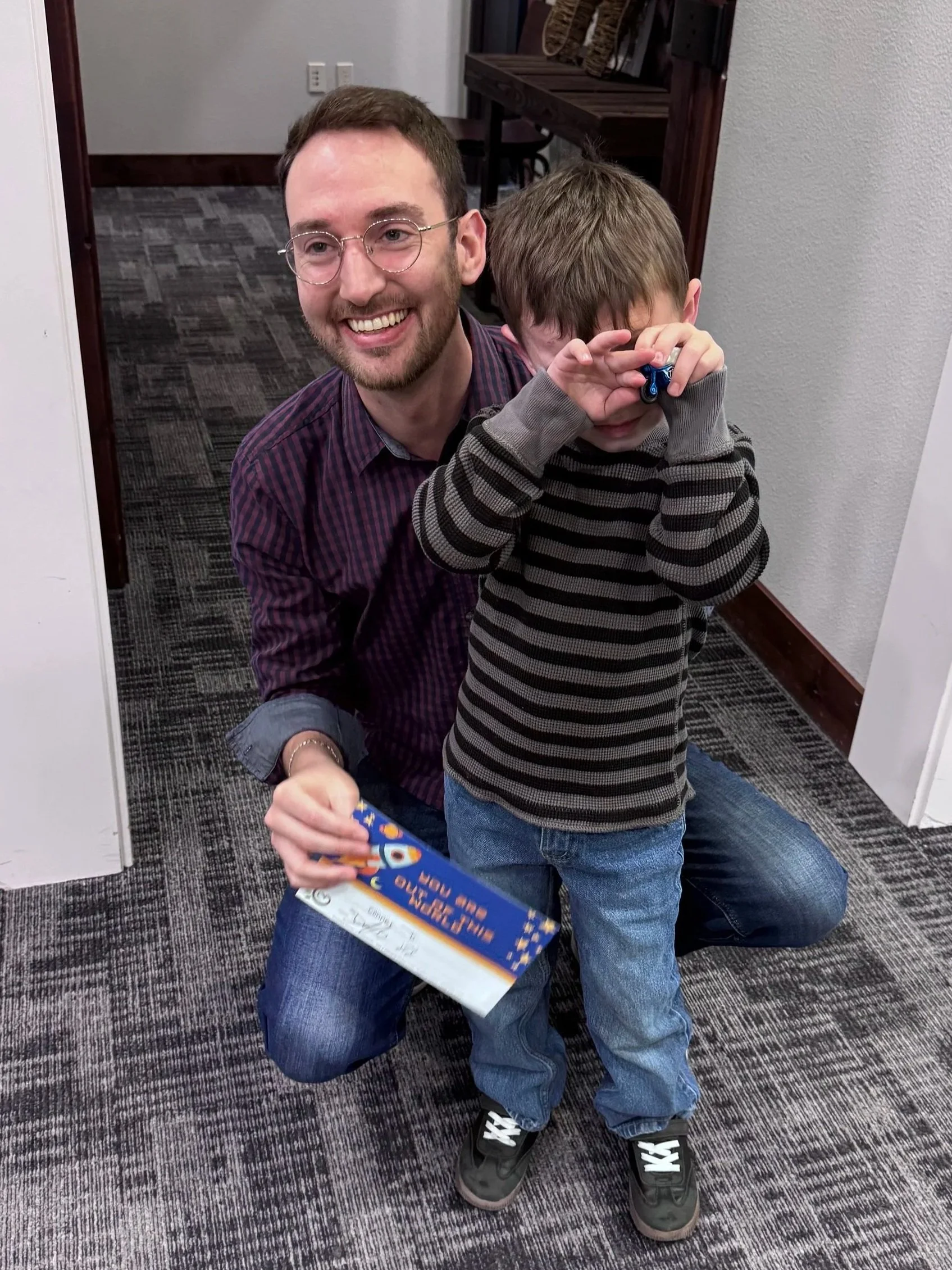
The Nervous System Side of Anxiety: Why Kids Feel So Much
Anxiety isn’t “in your child’s head” — it’s in their nervous system. Learn how subluxation, stress patterns, and vagal tone impact emotional regulation, and how neurological chiropractic care helps kids shift from overwhelm to calm naturally.
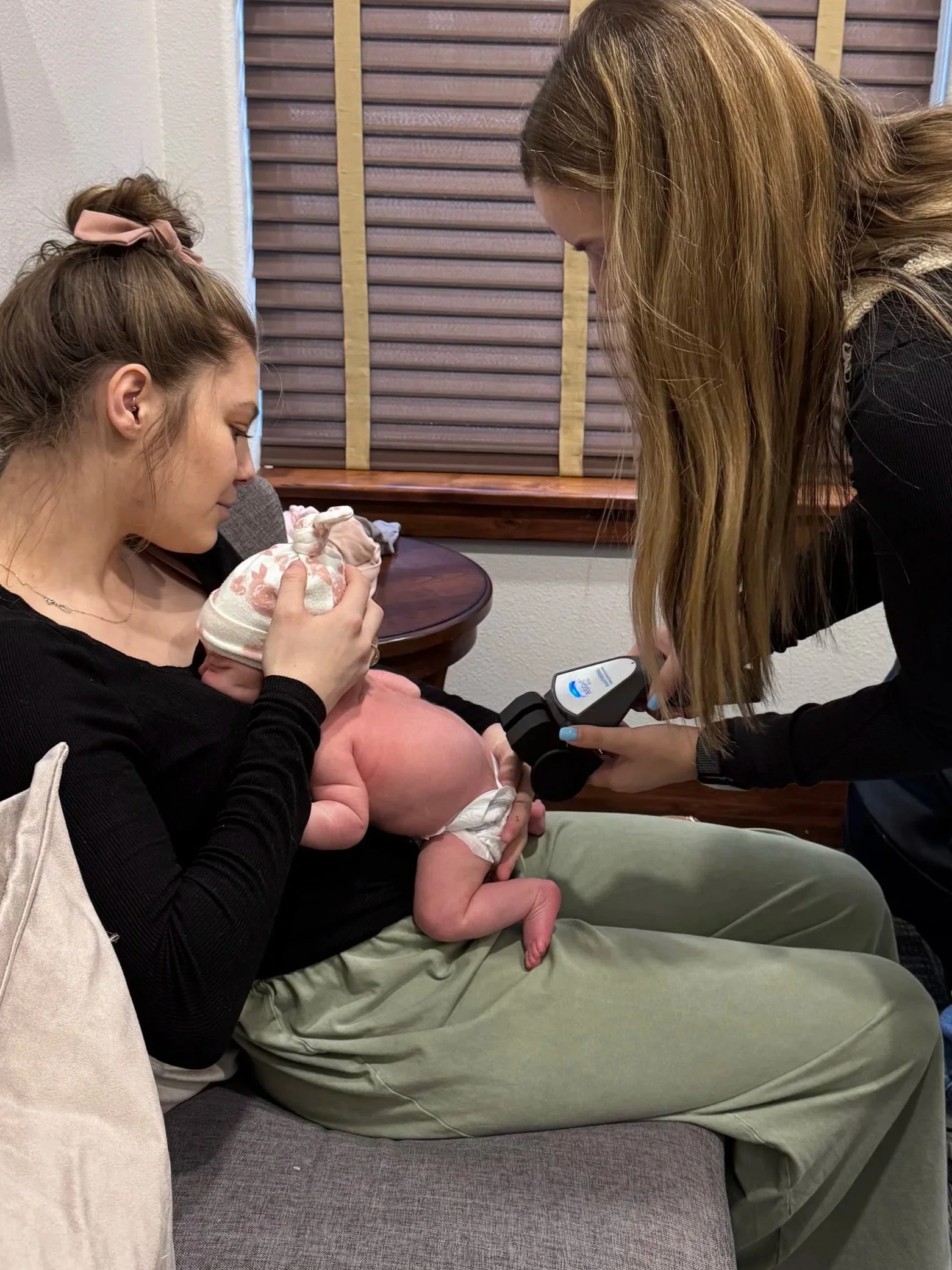
The Hidden Impact of Birth Trauma: How Early Stress Affects the Nervous System and Your Child’s Development
Birth isn’t just the start of life — it’s the beginning of your child’s neurological story.
When the birth process becomes stressful or interrupted, that tension can get “stuck” in the body, disrupting how the brain and body communicate. These early stress patterns often show up later as colic, reflux, sleep struggles, or developmental delays. Neurological chiropractic care helps identify and release that stored stress, restoring clear communication and helping your child’s body do what it was designed to do — regulate, grow, and thrive.

The Real Reason Kids Can’t Focus — And It’s Not What You Think
When kids struggle to focus, it’s easy to assume it’s a behavior or attention issue — but the truth runs deeper. Focus isn’t a choice; it’s a state of the nervous system. Learn how brain waves, stress, and subluxations affect your child’s ability to concentrate, regulate, and rest — and why neurological chiropractic care is helping kids thrive naturally, without medication.
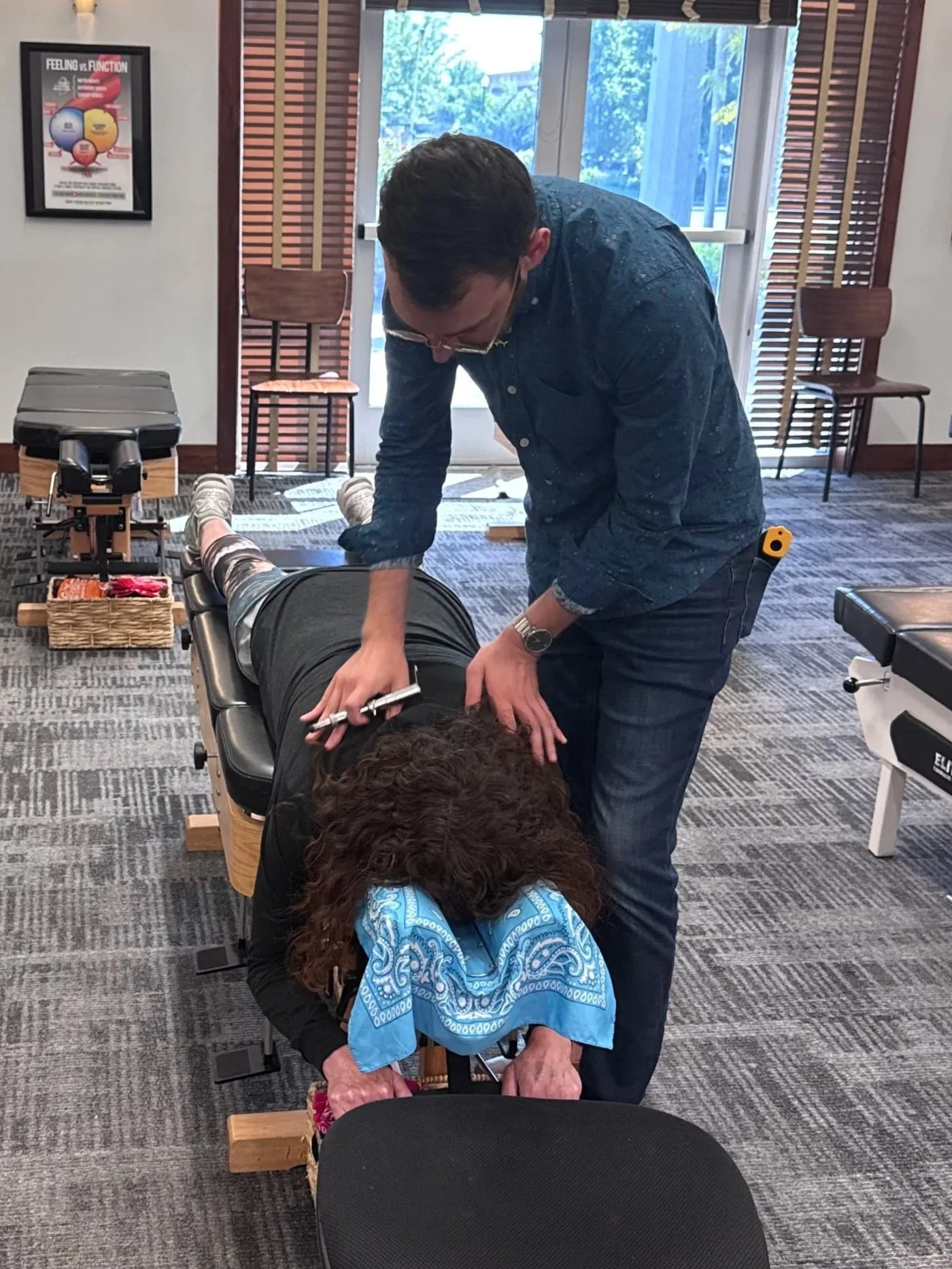
The Timeless Laws of Healing Medicine Doesn’t Want You to Know
Long before modern medicine, there were laws of life and healing written into the human body itself. These timeless chiropractic principles reveal how your nervous system was designed to heal, adapt, and thrive—when interference is removed. Learn the truth about how healing really happens, and why your body already holds the power to restore itself.
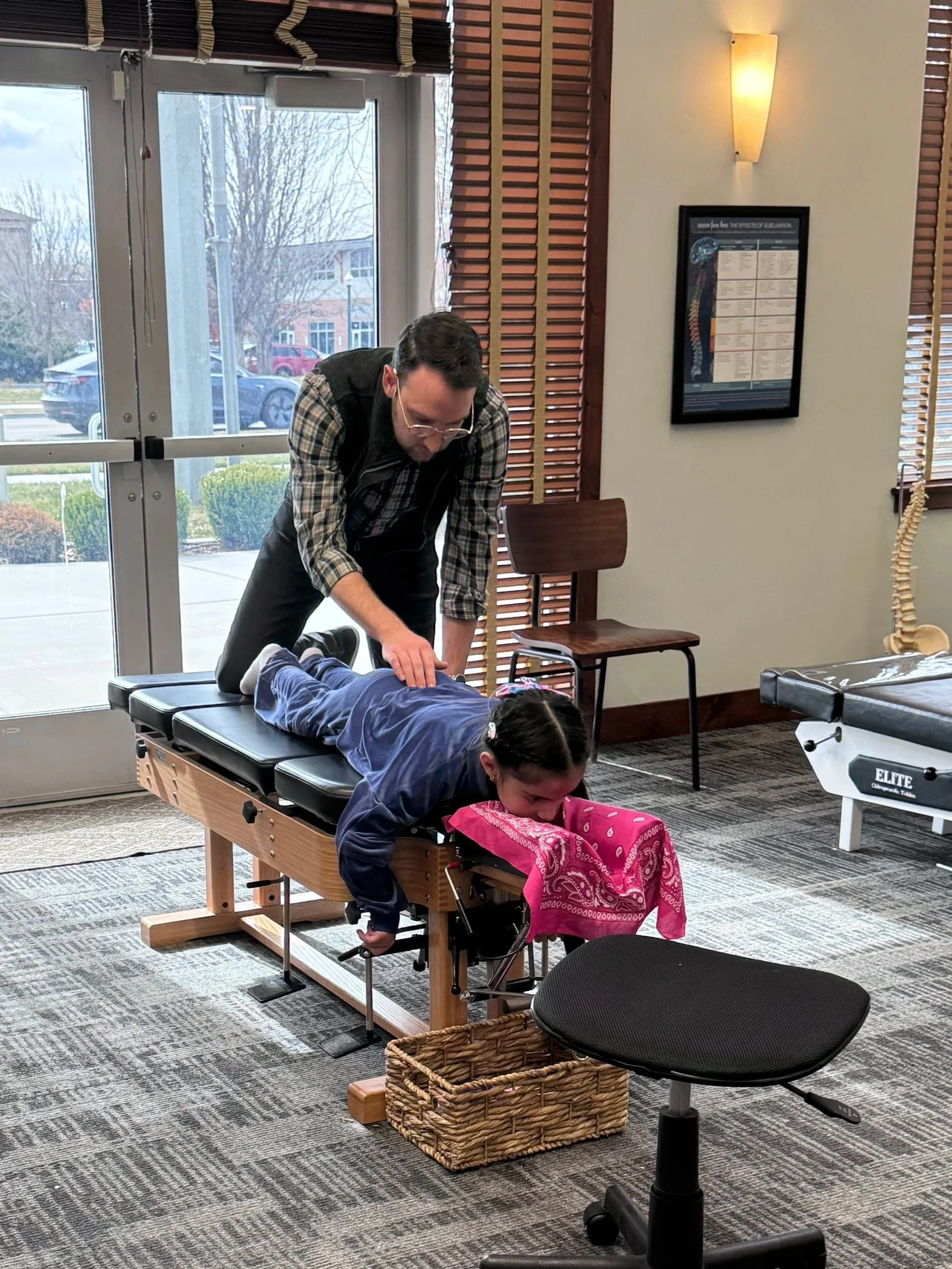
Understanding Seizures Through the Nervous System: A Brain-Based Perspective for Families
Seizures are not a disease—they’re electrical storms in the brain caused by an imbalance in how the nervous system regulates itself. Instead of only asking how to stop seizures, we need to ask why the brain is so overwhelmed in the first place. Stress stuck in the nervous system (subluxation) can distort signals between the brain and body, lowering the brain’s ability to regulate. Neurological chiropractic care helps restore calm, balanced communication—giving children the foundation they need to stabilize, heal, and thrive.

Cost, Access, & Trust: Why Parents Feel Overwhelmed by Children’s Health Advice
Your child isn’t struggling because of a lack of medication, laser, or supplements. Their body was designed to heal—it’s stress and subluxation that get in the way. The problem is, most health advice chases symptoms, piles on expenses, and leaves parents overwhelmed. Neurological chiropractic care restores clear communication in the nervous system, so your child can adapt, heal, and thrive the way they were created to.