

Your Child’s Most Important Healing Tool Isn’t a Supplement — It’s Sleep
Parents often ask what supplement, nutrient, or protocol will help their child feel better, behave better, focus better, or get sick less often. But the truth is this:
The most powerful healing tool your child has is something their body already knows how to do — sleep.
Sleep is not passive. It is the single most active time of healing, brain development, detoxification, immune programming, emotional regulation, neuroplasticity, and growth.
And when kids don’t sleep well, nearly every system in their body pays the price.
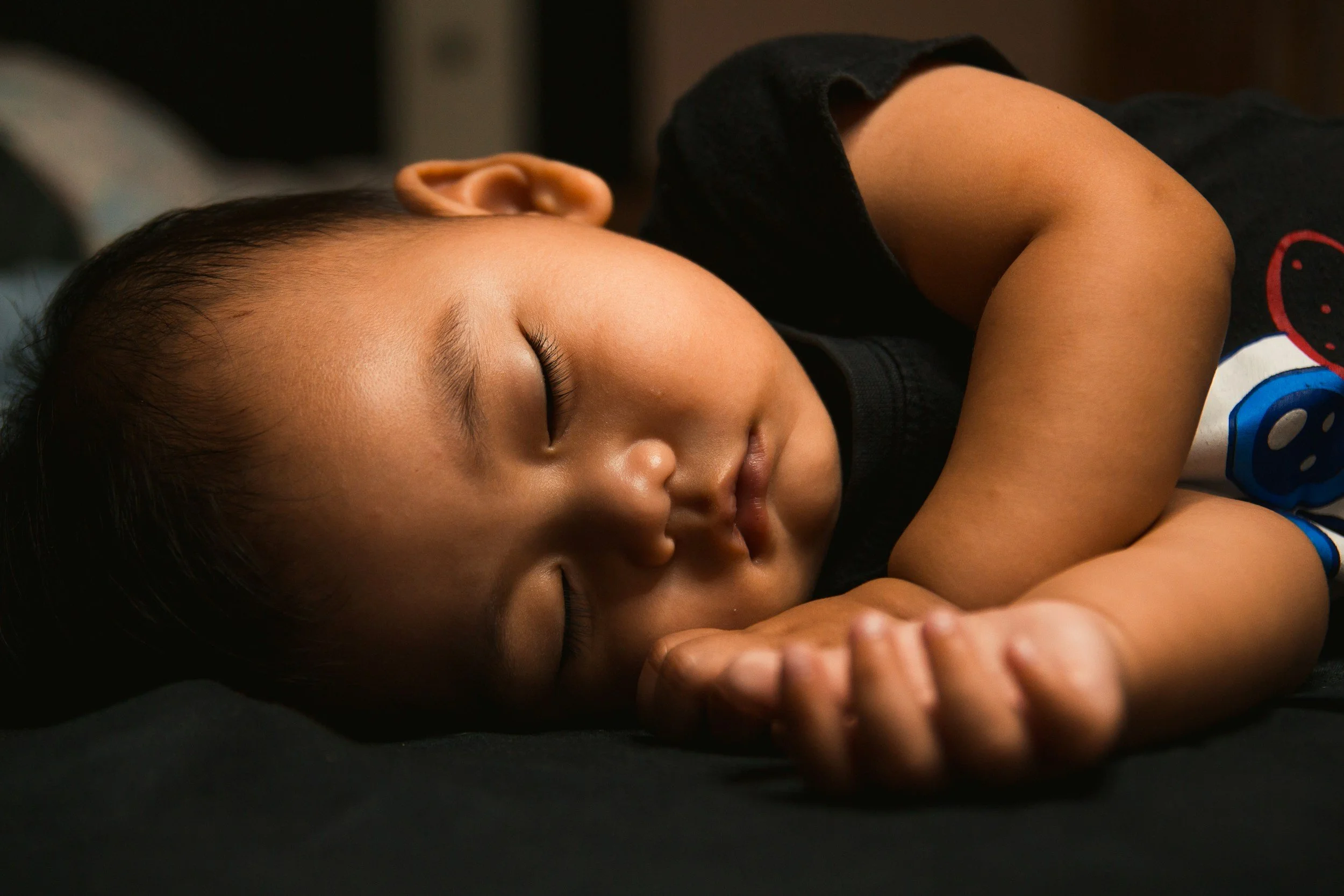
Why Sleep Is the Body’s Most Important Healing State
During sleep, especially deep sleep, your child’s nervous system shifts into the parasympathetic mode — the “rest, digest, heal, and grow” side.
This is when:
the brain reorganizes and integrates everything learned that day
emotional experiences are processed
movement patterns and motor skills are wired in
immune cells scan and repair
inflammation settles
hormones regulate
growth and development accelerate
You could give the perfect supplements, best diet, most structured therapy plan…
But if your child isn’t getting deep restorative sleep, their nervous system cannot use any of it fully.
The Glymphatic System: The Brain’s Nighttime Detox Pathway
Parents know about the lymphatic system — but the glymphatic system is its brain-specific counterpart, discovered only about a decade ago.
During deep sleep:
brain cells shrink by up to 60%
this creates space for cerebrospinal fluid (CSF) to rush through
CSF acts like a cleansing wave, washing out toxins, metabolic waste, inflammatory proteins, and stress chemicals
This includes clearing out:
beta-amyloid (linked to cognitive issues)
stress metabolites
inflammatory byproducts
neurotoxic waste from daytime stress or sensory overload
If kids aren’t sleeping deeply, the brain literally misses its cleaning cycle.
This contributes to:
irritability
difficulty focusing
headaches
sensory overwhelm
emotional dysregulation
immune weakness
more frequent “sickness cycles”
slower recovery
developmental delays or regression
No supplement can replace what the glymphatic system does naturally.
Why So Many Kids Struggle With Sleep Today
Most kids today live in a nervous system state that blocks sleep:
1. Sympathetic Overdrive (Fight or Flight Mode)
Too much sensory input, stress, screens, transitions, and dysregulation keep the brain in “go” mode — even at night.
2. Retained Primitive Reflexes and Subluxation
When the brainstem stays dominant, the nervous system cannot downshift into calm.
Subluxations at the upper neck and cranial tension interfere with:
vagus nerve tone
melatonin production
regulation of circadian rhythms
emotional recovery
the ability to “let go”
3. Poor Routine or Inconsistent Rhythm
Bedtime shifts → nervous system dysregulation → harder time accessing deep sleep.
Kids thrive on rhythm and predictability.
4. Gut Imbalance
The gut makes 90% of serotonin, the precursor to melatonin.
Digestive stress = sleep stress.
The Sleep–Stress–Behavior Loop
This is the cycle we see over and over in practice:
Stress → Poor Sleep → Higher Stress → Even Worse Sleep → Bigger Behaviors → Weaker Immunity → Burnout
Kids don’t outgrow this — they grow into it, unless we reset the system.
How to Know When Your Child Is Approaching Overwhelm
Look for these early cues:
Faster breathing
Jaw clenching
Restlessness / pacing / rolling
“I don’t know what to do with my body” behavior
Sound suddenly feels too loud
Avoiding eye contact
These are yellow lights.
Regulation tools work best here — before the meltdown.
The Takeaway
Your child is not overwhelmed because they are dramatic, difficult, or disobedient.
They are overwhelmed because their nervous system is overloaded and asking for support.
When we care for the nervous system, we give them:
Capacity
Confidence
Calm
Connection
Resilience
Regulated nervous systems experience holidays differently.
More joy.
More peace.
More presence.
More childhood.
How Neurological Chiropractic Care Improves Sleep Naturally
Your child sleeps best when their nervous system is:
calm
balanced
adaptable
well-regulated
free from constant “danger” signals
Gentle neurological adjustments:
calm the fight-or-flight system
support vagus nerve tone
reduce sympathetic overdrive
improve CSF flow through the glymphatic system
integrate primitive reflexes
help the brain shift from “alert” to “rest” mode
Parents frequently tell us:
“The very first thing we noticed after starting care… they finally slept.”
Sleep improves → behaviors improve → immune resilience increases → learning and emotional regulation expand.
How Parents Can Support Sleep at Home
Here are simple, powerful ways to help your child’s nervous system access deep, restorative sleep:
1. Long-Axis Traction
A calming, regulating tool we teach in-office.
It helps:
calm sensory overload
ease transitions
settle the limbic system
bring the body out of overwhelm
We use this for kids who get “stuck” in activation mode before bed.
2. Epsom Salt Baths (Magnesium)
Magnesium calms the nervous system and supports parasympathetic activation.
Epsom salt baths (2–3x/week) are powerful for kids who:
struggle to wind down
have tight muscles
grind teeth
wake often
are sensory-sensitive
3. Essential Oil Rollers & Diffusers
Lavender or chamomile can gently signal safety to the limbic system.
Diffuse 30 minutes before bed to support the evening wind-down.
4. A Predictable Rhythm, Not a Strict Routine
Kids need anchoring patterns — not rigidity — to feel safe:
dim lights
same steps each night
screens off 60 minutes prior
warm bath
bedtime story
quiet connection
5. Move Their Body During the Day
Movement improves sleep pressure and reduces stress chemicals.
6. Chiropractic Adjustments
The most important piece:
When the nervous system is stuck in stress, NONE of the above tools work as well as they should.
Regulation first → everything else becomes easier.
The Takeaway
Your child’s body is brilliantly designed.
It knows how to heal, regulate, and grow — but only when it gets access to restorative sleep.
Supplements can support health.
But sleep builds it.
This winter, focus on helping your child’s nervous system find calm, consistency, and safety — so their brain can do what it’s made to do:
recover, repair, and thrive.
