


The Hidden Causes of Health Breakdown
Why do some people thrive while others struggle? Learn how traumas, toxins, and thoughts influence the nervous system and shape the body’s ability to heal, adapt, and thrive.

What If Neurodivergence Isn’t the Problem?
A diagnosis can provide answers, but it doesn’t always tell the whole story. Learn how the nervous system shapes behavior, development, sensory processing, emotional regulation, and a child’s ability to engage with life.

When Survival Becomes Your Personality
Many adults do not realize how much of themselves they have sacrificed just to keep functioning. Discover how chronic survival patterns shape the nervous system—and why healing is ultimately about reclaiming the capacity to fully engage with life again.

Burnout in Moms and Dysregulated Homes
Burnout in moms isn’t a sign of weakness. It’s often a sign that your nervous system has been stuck in a constant state of “on” for far too long. When you’re carrying the mental load of parenting, ongoing stress, and a home that never fully settles, true recovery can feel out of reach. What if the issue isn’t your patience, routines, or effort but a nervous system that never gets the chance to turn off?

When Healing Looks Like Regression
It can feel discouraging when your child seems to lose progress after making gains. But what if regression is actually part of healing? This article explains how growth, development, and immune challenges impact the nervous system and why progress often comes in waves.

The “Good Kid” Who Falls Apart at Home
Many children seem calm and well-behaved at school but fall apart at home. This is not a behavior problem. It is a nervous system capacity issue. Learn what is really happening and how to support your child.

Puberty, Hormones, and Nervous System Stress
Parents often hear that emotional changes during adolescence are “just hormones.” In reality, puberty is a massive neurological shift that affects how the brain regulates sleep, emotions, and stress. Discover how the nervous system influences this transition and why supporting regulation can make adolescence more manageable for the whole family.
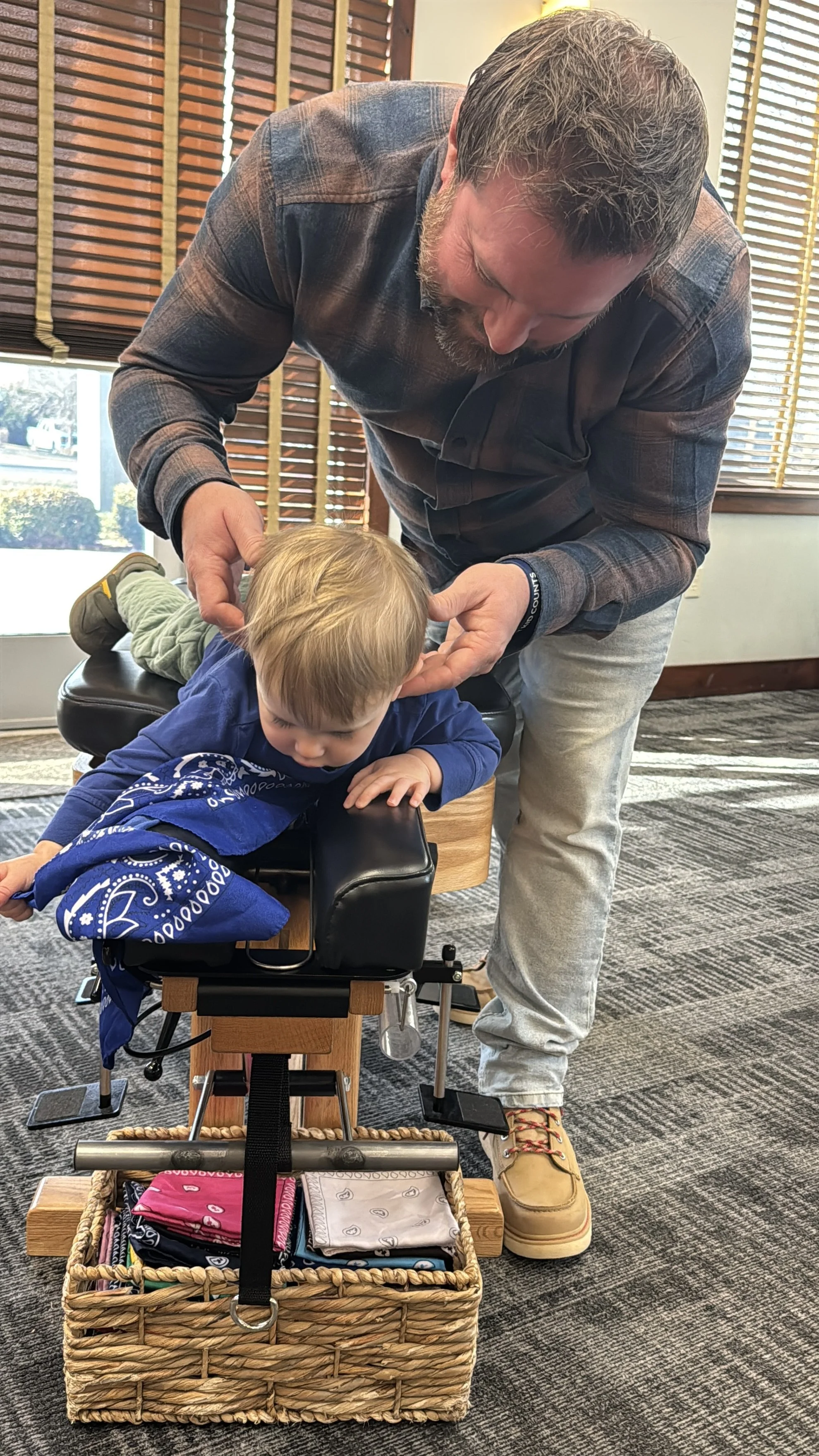
Constipation, Tummy Aches & Tantrums: Why the Gut Shapes Mood and Regulation
Constipation and tummy aches often trigger emotional overwhelm because the gut communicates directly with the brain. This article explains how internal stress affects behavior and regulation, how our scans measure gut–brain tension, and how chiropractic helps the body reconnect and heal.

The Chiropractic Story You Were Never Told
Chiropractic didn’t grow quietly. It survived arrests, opposition from the AMA, pandemics, and decades of misinformation. Learn the real story behind the profession’s origins and why every adjustment today continues a legacy built on courage and truth.
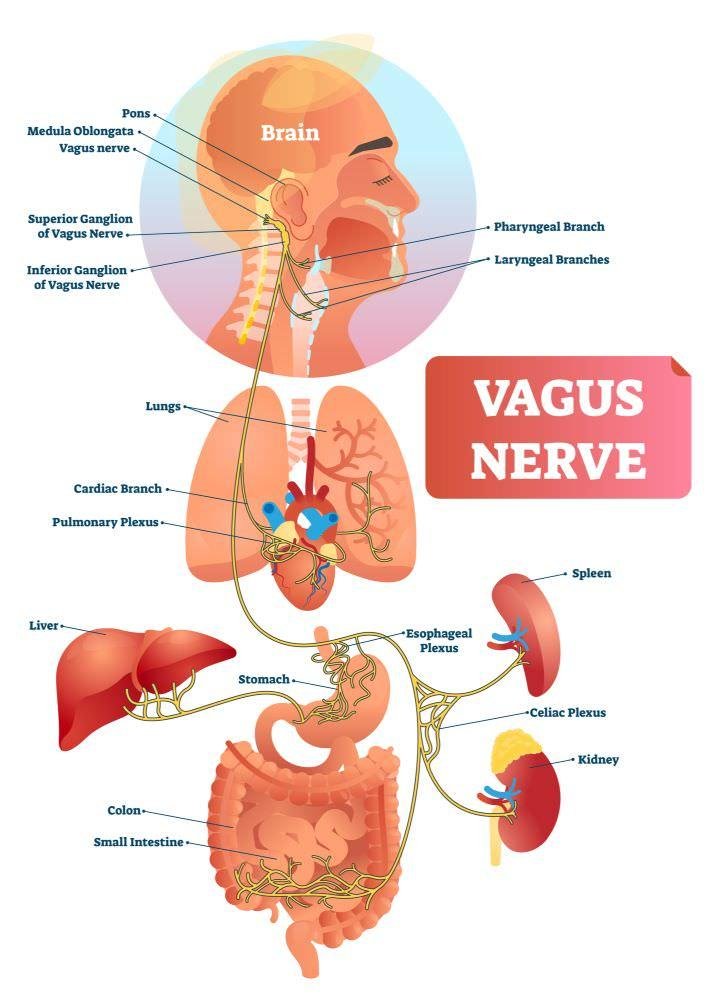
The Vagus Nerve: The Body’s Calm Pathway You Can Strengthen Naturally
When calm feels impossible, the vagus nerve is usually overwhelmed. This article explains where the vagus nerve lives, how it develops, why tone matters, how modern stress affects it, and how HRV scans and neurological chiropractic care restore the body’s ability to settle, digest, sleep, and regulate.

Why Your Brain Struggles With Change — And How Regulation Makes New Habits Possible
Meltdowns feel sudden, but they’re not. They happen when the brain shifts out of regulation and into overwhelm. This article explains what’s really happening in the moments before a meltdown, why logic doesn’t work in the moment, and how supporting the nervous system helps children stay calmer, more flexible, and more connected.

What Happens in the Brain Right Before a Meltdown
Change doesn’t happen through willpower alone. It happens when the nervous system has the capacity to adapt. This article explains why new habits often fall apart in January, how regulation shifts the brain’s ability to follow through, and how chiropractic supports sustainable change all year long.

What Keeps You Awake at Night? The Brain-Body Connection No One Talks About
Sleep struggles often have nothing to do with bedtime routines. They’re rooted in how well the nervous system can downshift out of stress and into deep parasympathetic rest. This article explains why so many children and adults wake through the night, feel wired but tired, or never wake rested—and how addressing subluxation helps the body finally settle.

Emotional Safety: The Foundation Needed Before Behavior Can Change
Behavior isn’t the starting point for change—it’s the result of how safe and regulated the nervous system feels. Emotional safety is what allows both kids and adults to communicate, adapt, and respond instead of react. This article explains why behavior often gets stuck, how the nervous system drives emotional regulation, and how creating safety opens the door for real transformation.

Sugar, Sleep & Stress: How Holiday Habits Impact the Brain and Behavior
December brings excitement, but it also brings more sugar, less sleep, and constant stimulation. This article explains how those holiday habits stress the nervous system, why kids become more reactive or overwhelmed, and how simple tools and chiropractic care help restore calm, digestion, sleep, and emotional balance.

Your Child’s Most Important Healing Tool Isn’t a Supplement — It’s Sleep
Sleep isn’t passive — it’s the most powerful healing state your child’s body has. Learn how deep sleep activates the glymphatic system, regulates the nervous system, boosts immunity, and integrates learning — and why kids who struggle with sleep often have underlying neurological stress patterns that need support.

From Chaos to Calm: Helping Kids Handle Holiday Stress
Holiday overwhelm isn’t behavioral—it’s neurological. Learn why kids struggle more with emotions, transitions, and sensory overload this season, and how to support calm, connection, and regulation with simple nervous-system centered tools.
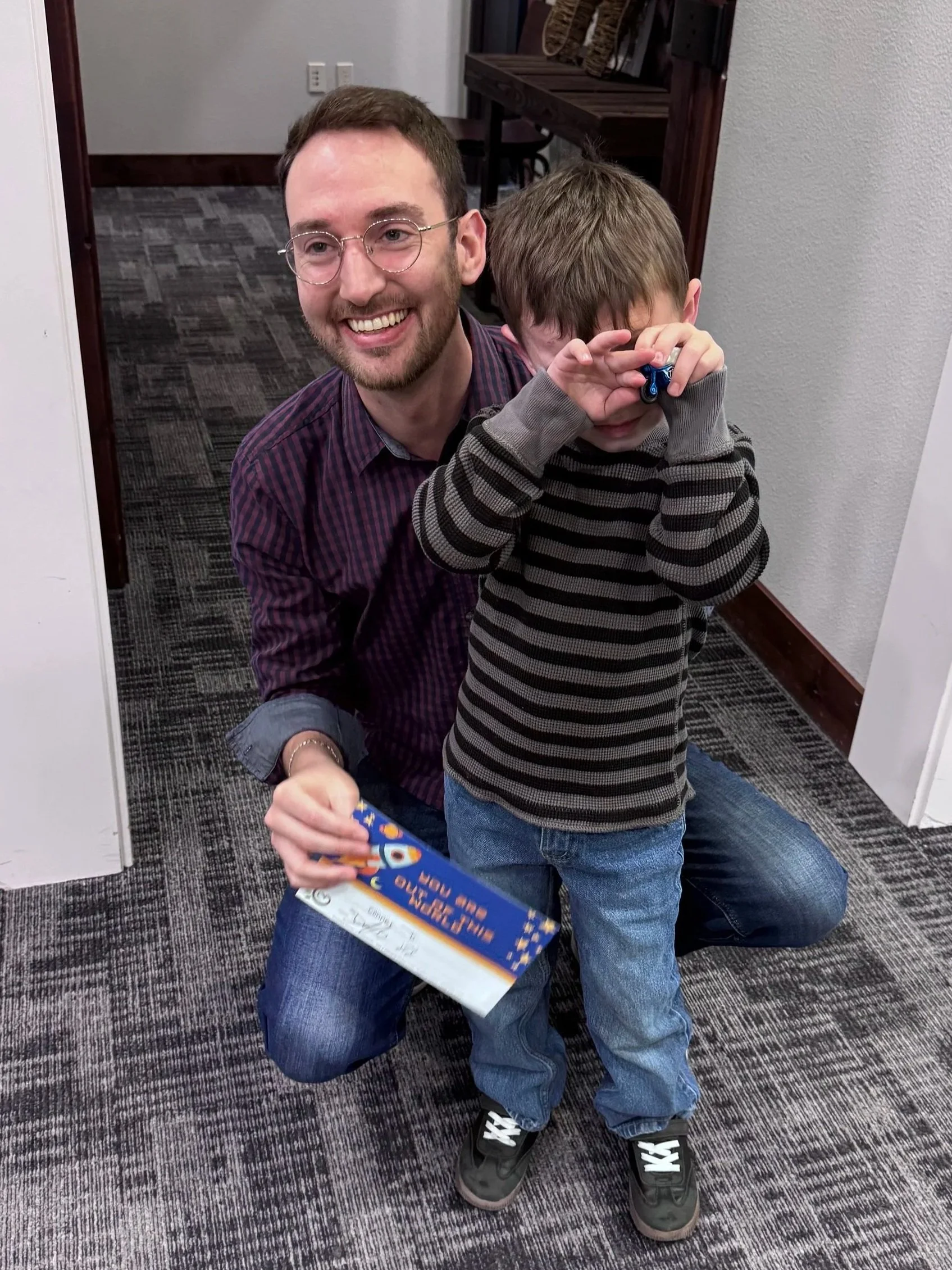
The Nervous System Side of Anxiety: Why Kids Feel So Much
Anxiety isn’t “in your child’s head” — it’s in their nervous system. Learn how subluxation, stress patterns, and vagal tone impact emotional regulation, and how neurological chiropractic care helps kids shift from overwhelm to calm naturally.

The Real Reason Kids Can’t Focus — And It’s Not What You Think
When kids struggle to focus, it’s easy to assume it’s a behavior or attention issue — but the truth runs deeper. Focus isn’t a choice; it’s a state of the nervous system. Learn how brain waves, stress, and subluxations affect your child’s ability to concentrate, regulate, and rest — and why neurological chiropractic care is helping kids thrive naturally, without medication.

Parenting Expectations by Age: A Brain-Based Guide for Raising Resilient Kids
Parents often wonder, “Is this normal for my child’s age?” The truth is, behavior follows brain development. A 3-year-old’s 2-minute attention span and daily meltdowns are just as normal as a teen’s push for independence. This guide breaks down what’s typical at each stage—attention spans, emotions, social skills—along with green flags, red flags, and real-life parenting scripts. When you understand your child’s brain build-out, you can set realistic expectations, respond with confidence, and guide them toward resilience at every age.