

Your Heart Is Telling a Bigger Story

What Heart Rate Variability Reveals About Your Nervous System
Your Nervous System Was Designed to Adapt
Every second of every day, your brain is making millions of decisions without you ever thinking about them.
It regulates your heartbeat, digestion, immune system, hormones, breathing, sleep, recovery, movement, and countless other processes that keep you alive.
But your nervous system isn't designed to simply keep you functioning.
It's designed to help you adapt.
Every physical injury, emotional challenge, illness, sleepless night, workout, or environmental stress asks your nervous system the same question:
"Can you adapt?"
Some days, the answer is yes.
Other days, stress begins to outpace your body's ability to recover.
Some people think of adaptation as simply "handling stress."
It's much bigger than that.
Adaptation is your body's ability to respond appropriately to a challenge, recover afterward, and be ready for the next one.
Whether you're recovering from an illness, healing after an injury, managing a busy week at work, calming a child's nervous system after a meltdown, or simply getting a good night's sleep, your nervous system is constantly making adjustments to help your body meet the demands of life.
When your nervous system adapts well, those challenges become manageable.
When it struggles to adapt, even everyday stress can begin to feel overwhelming.
The remarkable part is this:
Today, we have a way to objectively measure how well your nervous system is adapting.
It's called Heart Rate Variability (HRV).
Once reserved primarily for research laboratories, HRV is now being used by cardiologists, psychiatrists, psychologists, elite athletic performance programs, sleep specialists, military organizations, and neurologically focused chiropractors because it provides something incredibly valuable:
An objective look at how well your nervous system is responding, recovering, and adapting to life.
That's why HRV has become one of the fastest-growing measures of nervous system function in modern healthcare and human performance.
What Is Heart Rate Variability?
Despite its name, Heart Rate Variability doesn't measure how fast your heart beats.
Instead, it measures the tiny differences in time between one heartbeat and the next.
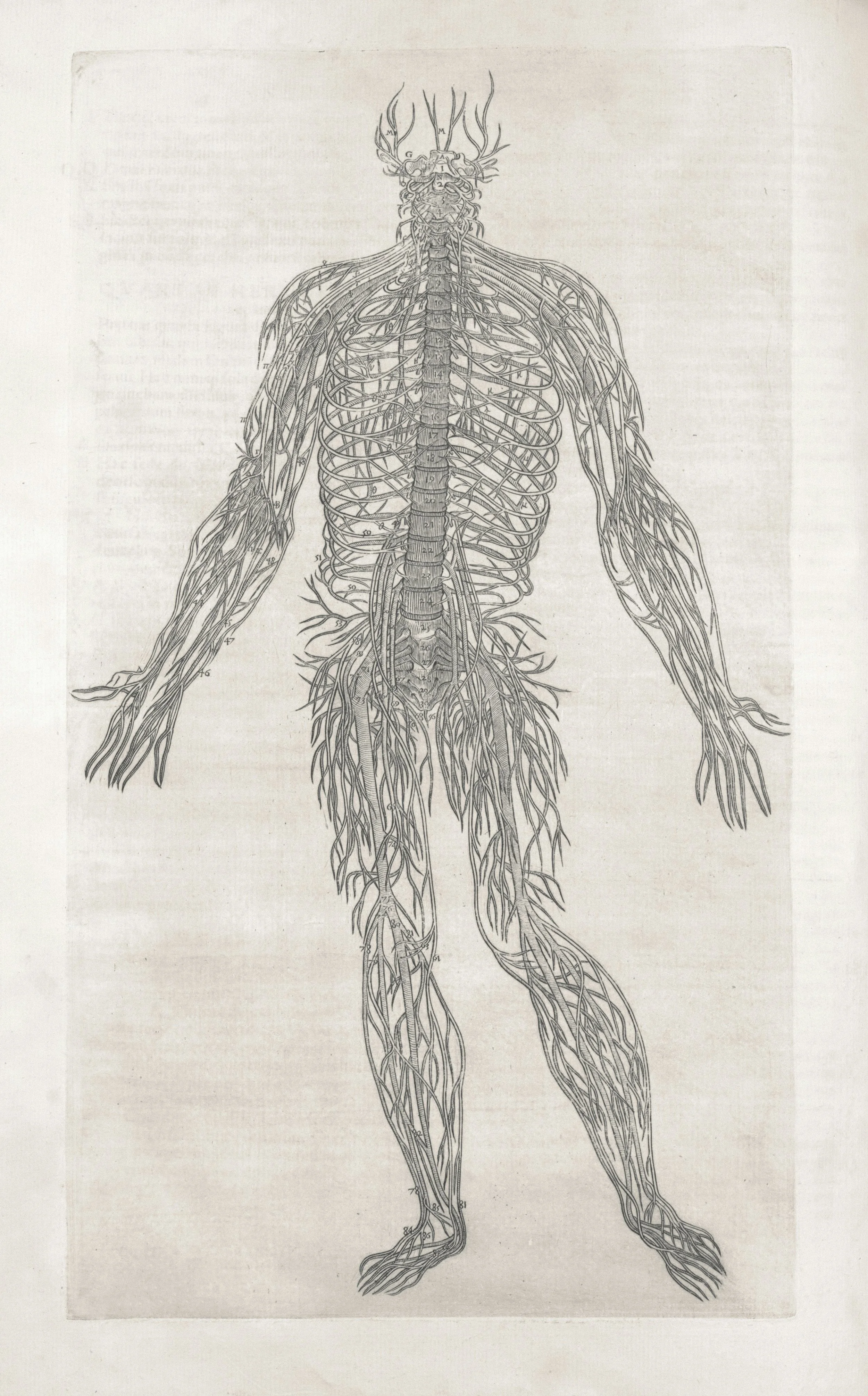
Those small variations are created by your autonomic nervous system—the part of your nervous system responsible for regulating the automatic functions that keep you alive.
Because every heartbeat is influenced by your nervous system, HRV gives us valuable insight into how well your body is responding, recovering, and adapting to life's demands.
In other words, your heart is telling a much bigger story than simply how many times it beats each minute.
Understanding Your Autonomic Nervous System
Your autonomic nervous system has two primary branches that work together continuously throughout the day.
The Sympathetic Nervous System
Often called the "fight or flight" system, the sympathetic nervous system prepares your body to respond to challenges.
It increases alertness, directs energy where it's needed most, and helps you meet the demands of everyday life.
Without it, you couldn't react, perform, or protect yourself.
The Parasympathetic Nervous System
Often called the "rest, digest, and recover" system, the parasympathetic nervous system helps your body slow down, repair, digest food, regulate inflammation, and recover after stress.
Without it, healing couldn't occur efficiently.
Health isn't about choosing one system over the other.
It's about both systems working together at the right time and in the right amount.
What Do the HRV Zones Mean?
Our HRV scans help us understand how adaptable your nervous system is today.
While every person's nervous system is unique, HRV patterns generally fall into five zones that reflect different patterns of autonomic function.
Zone 1 — Sympathetic Dominance
The nervous system appears heavily weighted toward survival mode. People in this zone often have difficulty recovering from stress and may have limited neurological adaptability.
Zone 2 — Sympathetic Insufficiency
Instead of remaining "stuck on," the sympathetic nervous system may no longer respond with appropriate strength. This can reflect a nervous system that has become overwhelmed after prolonged stress and has difficulty adapting to life's demands.
Zone 3 — Distressed
Both the sympathetic and parasympathetic nervous systems show signs of insufficiency. Rather than responding and recovering efficiently, the nervous system appears to be under significant stress with reduced adaptive capacity.
Zone 4 — Weakened State
The nervous system demonstrates very limited adaptive capacity. In this weakened state, the body's ability to respond, regulate, and recover has become significantly compromised.
Zone 5 — Healthy Adaptability
The sympathetic and parasympathetic nervous systems are working together efficiently. The body can respond appropriately to stress, recover afterward, and adapt to the changing demands
HRV Measures More Than Stress
Many people assume HRV simply tells us whether they're stressed.
It actually tells us something much more important.
It tells us how well the nervous system is adapting to stress.
Two people can experience the exact same challenge.
One nervous system adapts and recovers efficiently.
The other struggles to respond and takes much longer to recover.
That's why HRV has become such an important measurement across healthcare and human performance.
It's not measuring the amount of stress in your life.
It's measuring your nervous system's capacity to adapt to it.
What Can Influence HRV?
Because HRV reflects nervous system function, many different factors can influence your results.
These include:
Sleep quality
Physical activity
Emotional stress
Illness
Pain
Nutrition
Hydration
Recovery
Chronic inflammation
Medications
Environmental stressors
Neurological stress
HRV isn't designed to diagnose a condition.
Instead, it provides an objective snapshot of how well your nervous system is functioning at that moment in time.
Why Tracking HRV Matters
One HRV scan is helpful.
A series of HRV scans is even more valuable.
As your nervous system changes over time, HRV allows clinicians to monitor trends rather than relying solely on symptoms.
Instead of asking only,
"How do you feel?"
we can also ask,
"How is your nervous system adapting?"
That perspective is one of the reasons HRV has become such an important tool for monitoring progress.
Can Chiropractic Influence HRV?
Research suggests chiropractic adjustments may influence autonomic nervous system function by improving the way the brain receives and processes sensory information from the spine and body.
As communication throughout the nervous system becomes more organized, improvements in autonomic regulation may also be reflected in HRV.
Chiropractic does not treat a low HRV score.
Rather, its goal is to improve nervous system function.
HRV is simply one of the objective ways that changes in nervous system regulation can be monitored over time.

The Goal Isn't a Better Score
It's easy to become focused on a number.
But HRV isn't about chasing the highest score possible.
The goal is something much more meaningful.
A nervous system that can respond appropriately when life demands action…
Recover efficiently when the challenge has passed…
And continue adapting through everything life brings.
That's what resilience looks like.
And that's the bigger story your heart is telling.
Download Our Free Parent's Guide to Heart Rate Variability
If you'd like to better understand your HRV scan and what each zone may mean, we've created a free, in-depth guide for patients and families.
Inside you'll learn:
What each HRV zone represents
How HRV is measured
Factors that influence your score
Why adaptability matters
How HRV helps us monitor nervous system function over time
Download the Parent's Guide to Heart Rate Variability
