


ADHD Is More Than An Attention Problem
ADHD is not simply about paying attention. Focus depends on arousal, sensory filtering, working memory, movement, impulse control, emotional regulation, sleep, and the nervous system’s ability to decide what matters. Understanding those systems can completely change the way we see a child’s behavior.
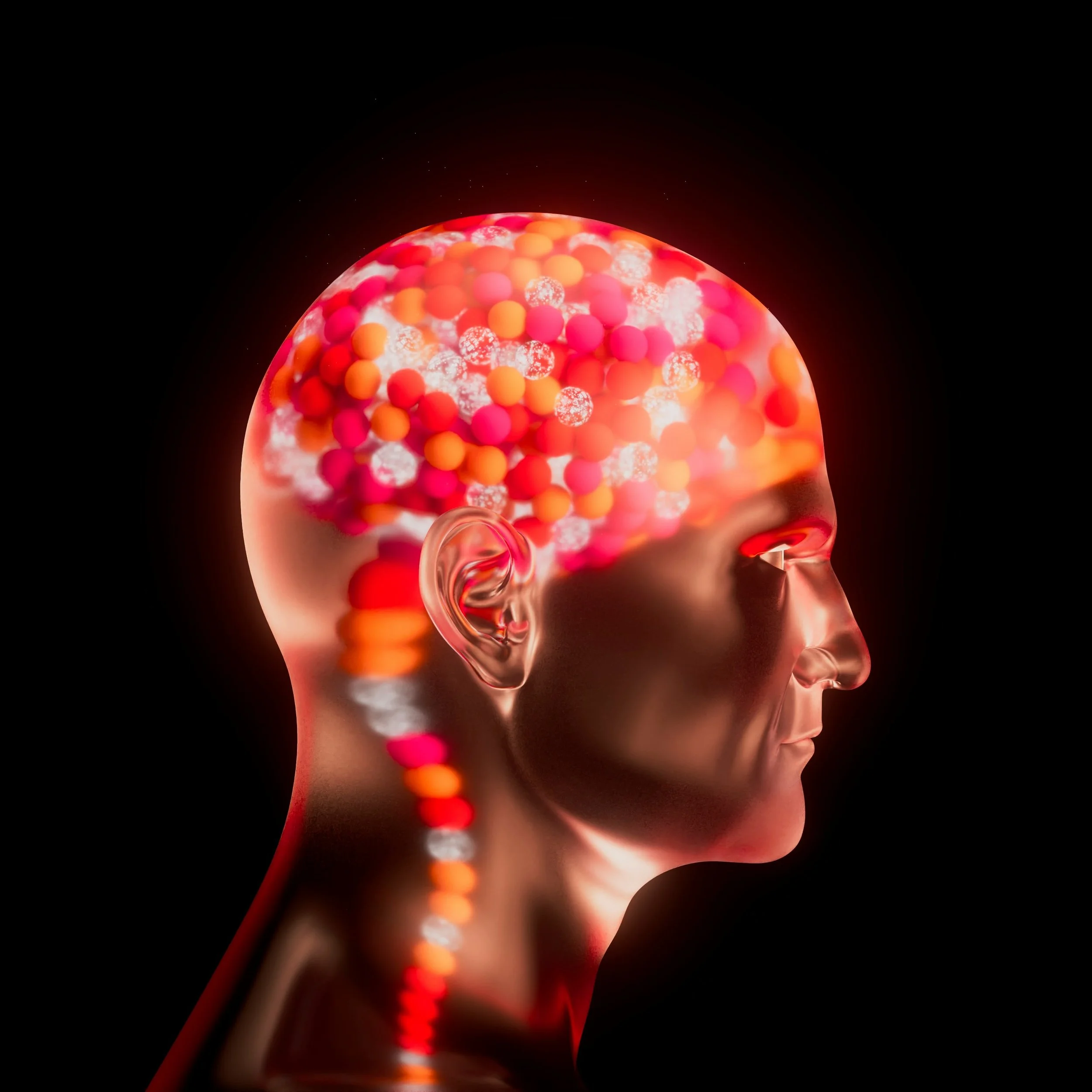
Why We Don’t Notice What Our Nervous System Is Telling Us Until It’s Too Late
The body often knows before the conscious mind does. Interoception is the nervous system’s ability to detect and interpret internal signals like hunger, bladder pressure, heart rate, breathing, fatigue, tension, and emotional arousal. Learning to recognize these signals earlier can change the way we understand behavior, stress, anxiety, parenting, and ourselves.

The Reflexes Your Baby Was Supposed to Outgrow: What Primitive Reflexes Tell Us About Brain Development
Primitive reflexes are some of the earliest signs that a baby’s nervous system is already learning. These automatic movement patterns help support feeding, protection, movement, and early development, but they are not meant to stay in charge forever. Understanding how reflexes integrate can give us valuable insight into the developing nervous system.

Your Child Borrows Your Nervous System: How Co-Regulation Shapes Development, Behavior, and Healing
Children do not learn regulation in isolation. From pregnancy through childhood, the developing nervous system is constantly receiving information from the people and environments around it. Understanding co-regulation can completely change the way we think about behavior, sensitivity, stress, and healing.

Why Learning Is Neurological: The Missing Conversation About Focus, Memory, and School Success
Learning is about far more than intelligence or effort. Attention, memory, behavior, motivation, and the ability to handle stress all depend on a nervous system that can organize information and adapt. Understanding that neurological foundation can change the way we see children who struggle at school.

Why Does My Child Fall Apart After School?
A child can hold it together beautifully at school and completely fall apart the moment they get home. Another child may become quiet, withdrawn, or exhausted instead. Learn why overwhelm and shutdown can be different expressions of a nervous system that has exceeded its current capacity—and why back-to-school season gives parents an important window into how their children are adapting.

Your Heart Is Telling a Bigger Story
Airway issues are about more than breathing. Learn how mouth breathing, cranial development, high palates, tongue function, nervous system stress, and childhood growth fit together—and why function should be evaluated before structural correction alone.